 Gushiken Yona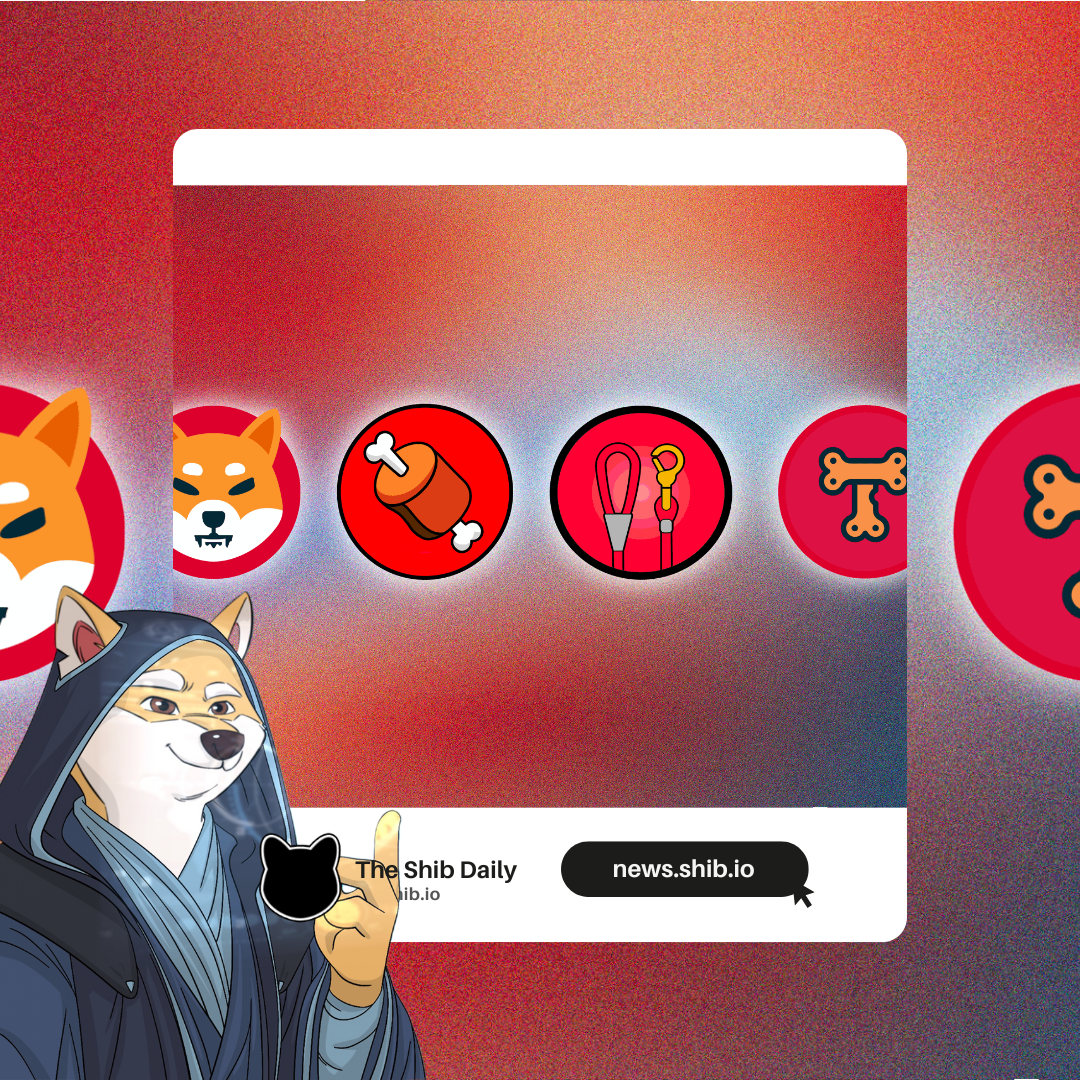
Shytoshi Kusama, the elusive visionary behind the Shiba Inu ecosystem, in a rare and candid revelation, unveils the intricate workings of the project’s groundbreaking four-token system—offering a glimpse into how this once-playful meme coin is now reshaping the crypto landscape with serious ambition.
The Four Pillars of Shiba Inu
Kusama detailed the intentional design behind Shiba Inu’s unique four-token system, stating the vision was “based on the structure of the United States government.” He noted, “When you look at the United States government, arguably, very arguably, one of the best structures ever designed, if it was set up properly and working the way it was designed… it’s basically designed around a three-part system.”
Inspired by this model, Shiba Inu chose to utilize four distinct tokens—SHIB, LEASH, BONE, and TREAT—to create a balanced system with built-in checks. According to the Shiba Inu visionary, the four token structure was designed to prevent a single point of failure by distributing governancе responsibilities.
Related: Memecoins Are Not Dead: Why 2026 Marks the Biggest Comeback in Crypto History
He explainеd that the multi-token approach was intended to ensure, “each branch has autonomy, but at the same time has checks and balances, can never overtake the entire system,” which guarantees a level of decentralization.
The Role Of Each Shiba Inu Token
- SHIB: The Community’s Voice: Kusama explained that the SHIB token was designed to represent the community. He said, “I believe SHIB represents community.” With its vast token supply, SHIB aims to empower a wide range of people, ensuring that community input is considered, and that those with the largest holdings have the most influence. To further facilitate this, committees will be established to filter community requests, Kusama noted.
- BONE: The Engine of Execution: As the second token, Bone ShbaSwap (BONE) is designed to function as the ecosystem’s executive branch. Kusama noted the importance of BONE in “executing properly and quickly,” specifically by powering the Shibarium L2 blockchain. This token was designed to handle all technical upgrades, and ensure the efficient operations of the entire network.
- LEASH: The Guardians of the Ecosystem: The Doge Killer (LEASH) token, with its increased exclusivity, was designed as the ecosystem’s judiciary, and military. According to Kusama, LEASH holders would “get things before everyone else” and would be tasked with governance, as well as the responsibility to help solve problems, acting as “the judges” within the ecosystem. These holders would also act as the ‘military’, with expertise in “liquidity and finding liquidity and doing things like vampire attacks”.
- TREAT: Fostering Innovation and Growth: The final yet unreleased token, TREAT, was designed as the “secret branch of government” that focuses on innovation. According to Kusama, TREAT holders would focus on the development of “innovative pieces of technology like AI, new systems or new protocols that may come up” as well as determining what to invest in to ensure the ecosystem’s growth.
Implications for Decentralization
Beyond the playful meme coin exterior, Shiba Inu’s four-token system reveals a project with serious ambition and a sophisticated vision for the future of digital ecosystems. The separation of power that is delegated to SHIB, LEASH, BONE, and TREAT reveals a complex architecture, designed to promote both community engagement and dynamic leadership.
As Shiba Inu continues to evolve, the four-token system will аct as a testament to its aim of going beyond its meme origin to become a complex, and potentially revolutionary, decentralized community.
Related: Binance Founder Zhaо Says Lack of Privacy Hampers Crypto Payments Growth
Read More
- Shytoshi Kusama Drops Massive Surprise to TREAT Fans
- Kusama Unveils Shiba Inu’s Origins and the 36 Chambers of Tech
- Privacy Tech Patent Battle Heats Up: Kaal Dhairya Supports Rand Hindi as Zama-Sunscreen Legal War Intensifies

YONA GUSHIKEN
Yona brings a decade of experience covering gaming, tech, and blockchain news. As one of the few women in crypto journalism, her mission is to demystify complex technical subjects for a wider audience. Her work blends professional insight with engaging narratives, aiming to educate and entertain.