 Michaela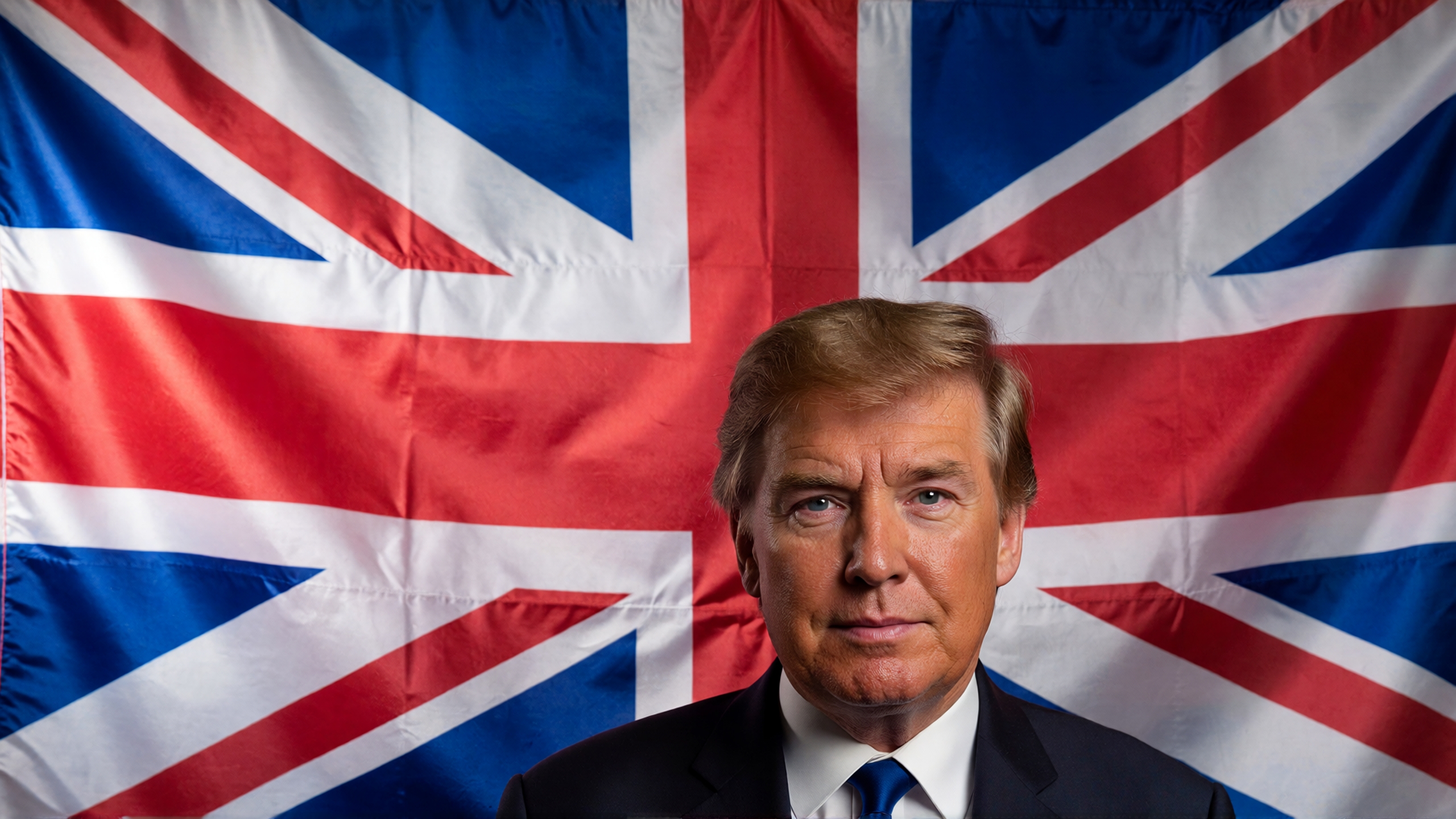
President Donald Trump has filed a $5 billion defamation lawsuit against the British Broadcasting Corporation (BBC), alleging that the BBC deliberately altered his January 6 speech. The broadcaster has confirmed it will vigorously defend itself in сourt.
Key Points
- Trump claims the BBC “intentionally, maliciously, and deceptively” edited his January 6 speech in a Panorama documentary.
- The BBC apologized but rejected compensation demands and will defend itself in court.
- The lawsuit could have wide implications for international media and editorial responsibility.
According to court filings in Florida, Trump claims the BBC committed defamation and violated trade practices laws. He alleges the broadcaster “intentionally, maliciously, and deceptively” edited his speech in front of the U.S. Capitol riot in a Panorama documentary.
Last month, the BBC issued an apology to President Trump but declined his request for financial compensation, stating it saw no grounds for a defamation claim. “As we have made clear previously, we will be defending this case,” a BBC spokesperson stated. “We are not going to make further comment on ongoing legal proceedings,” they added.
In his January 2021 speech, Trump told the crowd, “We’re going to walk down to the Capitol, and we’re going to cheer on our brave senators and congressmen and women.” Nearly an hour later, he added, “And we fight. We fight like hell.” In the Panorama documentary, the clip was edited to show Trump saying, “We’re going to walk down to the Capitol… and I’ll be there with you. And we fight. We fight like hell.”
Related: Bitcoin Investor Loses Retirement Fund in AI-Powered Pig Butchering Scam
The BBC acknowledged that the edit had given “the mistaken impression” that President Trump had made a direct call for violent action, but maintained that there was no basis for a defamation claim. Prior to Trump filing the lawsuit, the broadcaster’s legal team submitted a detailed response addressing his allegations.
In November, an intеrnal BBC memo criticizing the handling of the speech edit was leaked, prompting the resignations of Director General Tim Davie and Head of News Deborah Turness. BBC lawyers emphasized that the edit was not made with malice and argued that Trump was not harmed by the Panorama program in the U.S., as the documentary, while available on BBC iPlayer, was restricted to viewers in the UK.
Related: Base Co-Founder Faces Backlash Over Engagement With Soulja Boy Token
Trump’s lawsuit references the BBC’s agreements with third-party distributors, noting a deal with Blue Ant Media, which reportedly held licensing rights to distribute the Panorama program “in North America, including Florida.” Blue Ant confirmed it had obtained the distribution rights but stated that none of its buyers had broadcast the documentary in the U.S. The company also noted that the version it received “did not include the edit in question,” explaining that the international version had been “cut down in a number of places for time.”
The outcome of this high-profile case could have significant implications for international journalism and the way global broadcasters handle politically sensitive content. As the proceedings unfold, both media organizations and public figures will be watching closely to see how accountability and editorial responsibility are balanced in an era of instant global scrutiny.
Frequently Asked Questions

MICHAELA
Michaela is a news writer focused on cryptocurrency and blockchain topics. She prioritizes rigorous research and accuracy to uncover interesting angles and ensure engaging reporting. A lifelong book lover, she applies her passion for reading to deeply explore the constantly evolving crypto world.