 Michaela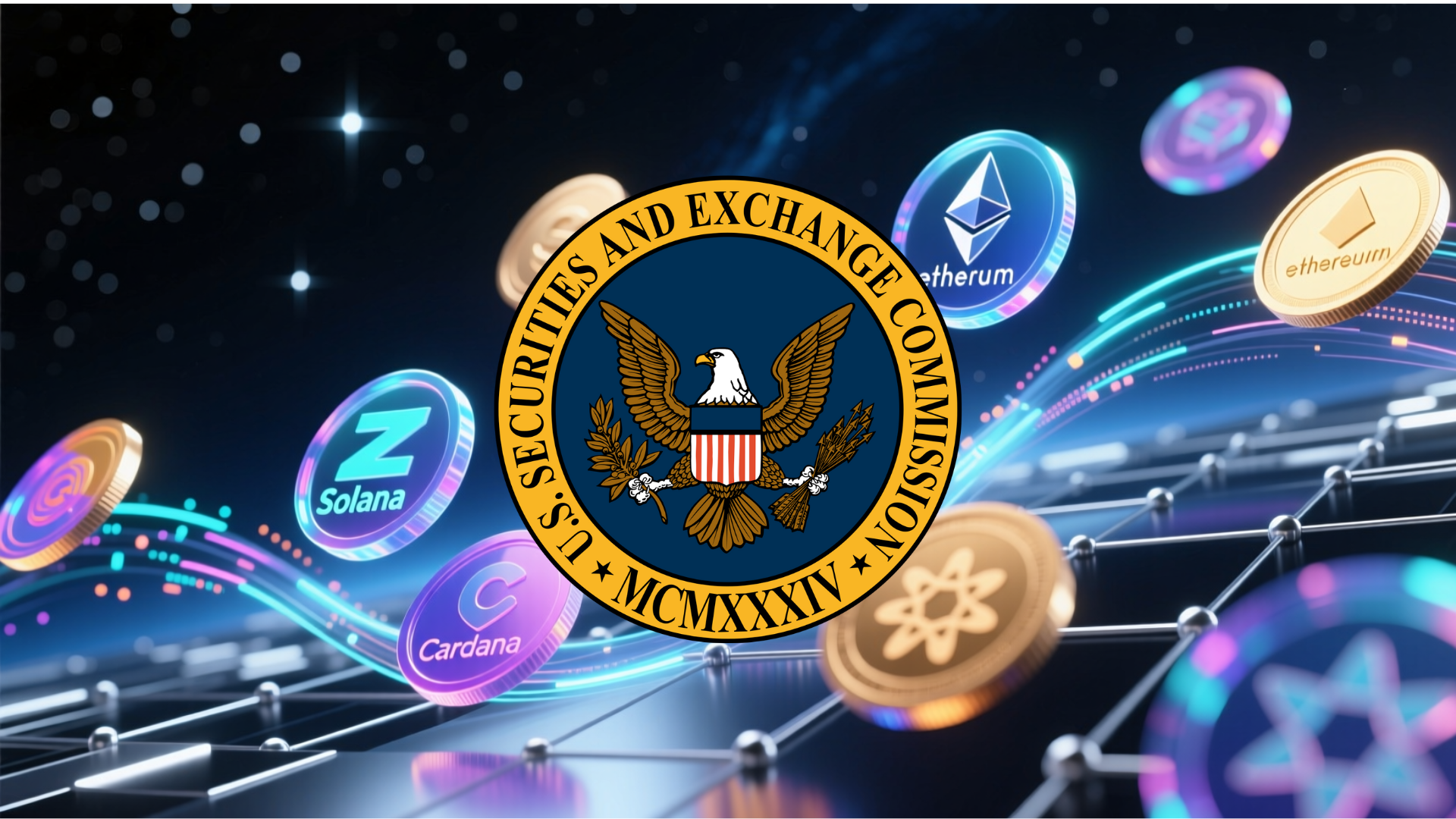
The U.S. Seсurities and еxchange Commission (SEC) has released an investor bulletin outlining best practices and risks for storing and managing crypto wallets.
Key Points
- The SEC released an investor bulletin outlining best practices for crypto custody and storage.
- Third-party custodians must be evaluated for asset management practices, security, and insurance.
- The guidance reflects a regulatory shift, emphasizing transparency, risk mitigation, and industry accountability.
“The SEC’s Office of Investor Education and Assistance is issuing this Investor Bulletin to help educate retail investors about the ways investors can hold crypto assets,” the Commission’s bulletin wrote. “This Investor Bulletin provides an overview of types of crypto asset custody and provides tips and questions to help you decide how to best hold crypto assets,” it added.
Investors opting for third-party custody should carefully review the custodian’s policies, including whether assets are “rehypothecated” by being lent out or if client holdings are commingled rather than kept in segregated accounts. The SEC bulletin also outlines different types of crypto wallets, citing the advantаges and risks of hot wallets and other storage options.
The SEC’s custody guide also noted a major regulatory shift, marking a departure from the framework established under the previous administration.
Related: Trump Blasts Banks as GENIUS Act Stalls in Senate Over Yield Dispute
As cryptocurrency adoption continues to grow, the SEC’s guidance underscores the increasing importance of understanding how digital assets are stored and managed. Investors now face a landscape where the choices they make regarding wallets and custodians can have long-term implications for security, access, and even legal compliance.
Beyond just selecting a service, individuals are encouraged to consider operational practices, insurance coverage, and contingency plans for potential disruptions or breaches.
Related: Lagarde Exit Talk Sparks Uncertainty Over ECB Digital Euro Future
The bulletin also serves as a signal to the industry itself, emphasizing that transparency, robust internal contrоls, and clear communication with clients are not optional, they are expected standards. Custodians and wallet providers may face greater scrutiny, with regulators likely to prioritize compliance and risk mitigation as crypto continues to integrate with mainstream finance.
For retail and institutional investors alike, the takeaway is clear: proactive education and due diligence are essential. Understanding the mechanics of crypto storage, from the differences between hot and cold wallets to the nuances of third-party custody agreements, equips holders to protect their assets more effectively. As digital assets evolve and regulatory expectations shift, staying informed and adopting best practices will be critical in navigating this complex and rapidly changing environment with confidence.
Frequently Asked Questions

MICHAELA
Michaela is a news writer focused on cryptocurrency and blockchain topics. She prioritizes rigorous research and accuracy to uncover interesting angles and ensure engaging reporting. A lifelong book lover, she applies her passion for reading to deeply explore the constantly evolving crypto world.