 Michaela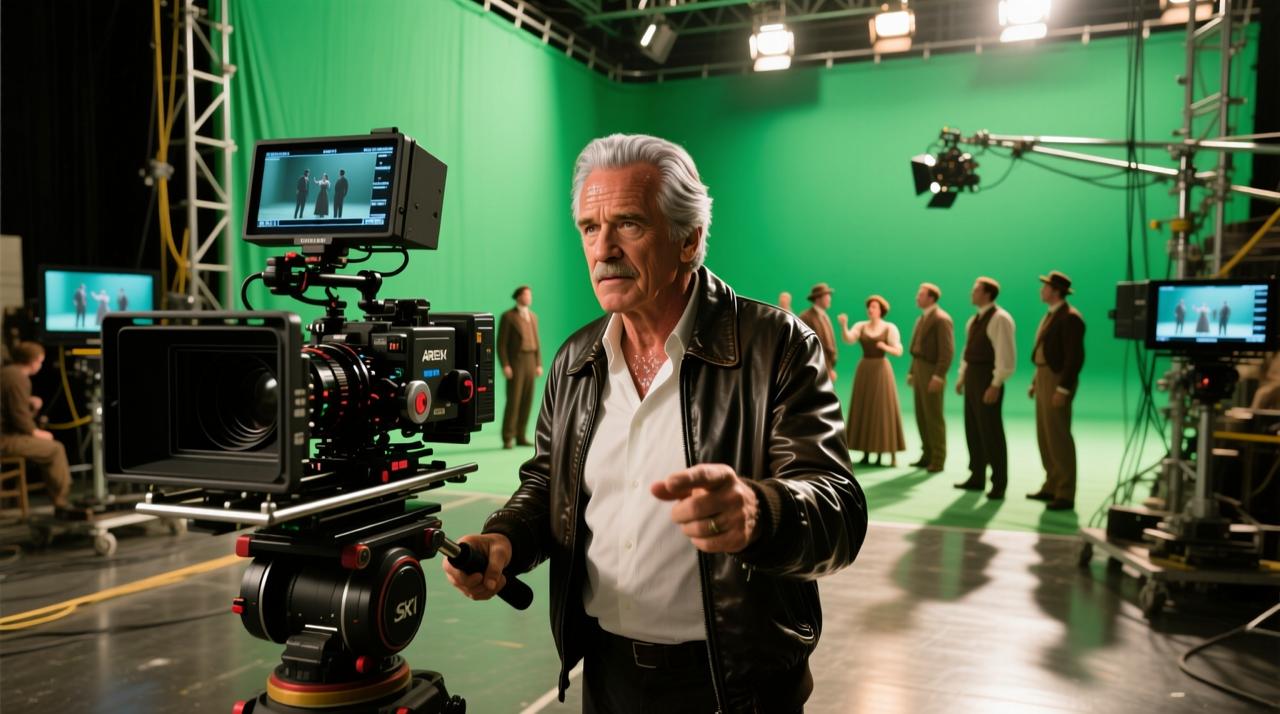
James Cameron, the director behind blockbuster hits including The Terminator, Titanic, and Avatar, has described generative AI as “horrifying,” saying it conflicts with his approach to filmmaking and the collaborative use of CGI and live actors.
Key Points
- James Cameron calls generative AI “horrifying,” saying it threatens human actors and collaborative filmmaking.
- SAG-AFTRA opposes AI actors like Tilly Norwood, stressing creativity should remain human-centered.
- Actors including Whoopi Goldberg and Emily Blunt publicly criticize AI-generated performers for lacking nuance and emotional depth.
“For years, there was a sense, that ‘Oh they’re doing something strange with computers and they’re replacing actors’, when in fact, once you really drill down and see what we’re doing, it’s a celebration of the actor director moment,” Cameron stated in an interview with CBS Sunday Morning, when discussing his foray into visual effects and the use of these in his movies.
“Now go to the other end of the spectrum, and you’ve gоt generative AI where they can make up a character, they can make up an actor, they can make up a performance from scratch with a text prompt. […] No, that’s horrifying to me. That’s the opposite. That’s exactly what we’re not doing,” Cameron clarified.
Cameron has long been celebrated for creating immersive worlds and rich storytelling, using advancing technology to enhance his films’ visual impact. Yet, as generative AI emerges, Cameron joins a growing number of filmmakers and actors expressing opposition to the technology, citing concerns about its implications for creativity and the collaborative nature of filmmaking.
Related: Memecoins Are Not Dead: Why 2026 Marks the Biggest Comeback in Crypto History
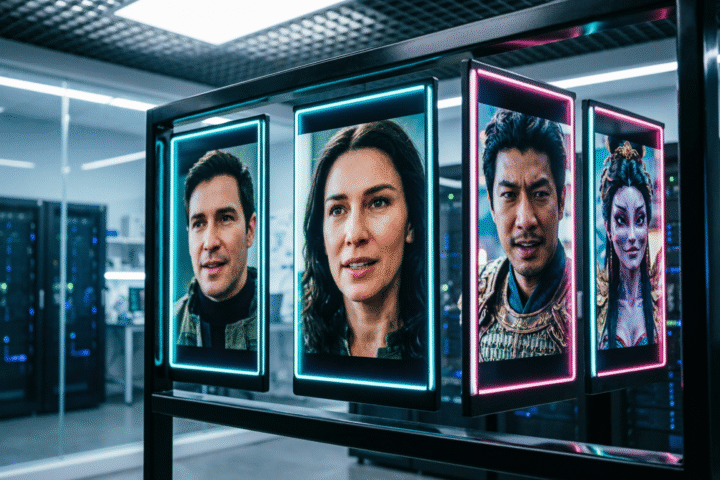
In October, SAG-AFTRA, the union representing actors and other entertainment professionals, raised concerns over Tilly Norwood, an AI-generated actress created by Particle6, warning that such technology could threaten opportunities for human performers.
“SAG-AFTRA believes creativity is, and should remain, human-centered. The union is opposed to the replacement of human performers by synthetics,” the organization stated in an official Instagram post. The union emphasized that it does not recognize Norwood as an actor, describing her instead as a “character generated bу a computer program” that was “trained on the work of countless professional performers” without their consent or compensation.
Additionally, Hollywood actors, including Whoopi Goldberg and Emily Blunt, publicly criticized the debut of Norwood. On The View, Goldberg questioned whether an AI character could ever match the nuance of a human performer, spotlighting how subtle facial expressions and body movements distinguish real actors from digital creations.
Related: OpenAI Shuts Down Viral AI Video App Sora After Just Six Months
Blunt, reacting during a Variety podcast interview after seeing an image of Norwood, described the AI figure as unsettling and alarming. “That is really, really scary. Come on, agencies, don’t do that. Please stop. Please stop taking away our human connection,” Blunt stated.
The debate over generative AI in Hollywood is only intensifying as studios explore its creative potential while actors and directors push back. While AI may offer new tools for storytеlling, Cameron and others argue that preserving the authenticity and emotional depth of human actors is essential. As the industry navigates this uncharted territory, the conversation around AI’s role in entertainment will likely shape not only how films are made but also how audiences connect with the characters on screen.

MICHAELA
Michaela is a news writer focused on cryptocurrency and blockchain topics. She prioritizes rigorous research and accuracy to uncover interesting angles and ensure engaging reporting. A lifelong book lover, she applies her passion for reading to deeply explore the constantly evolving crypto world.