
 Michaela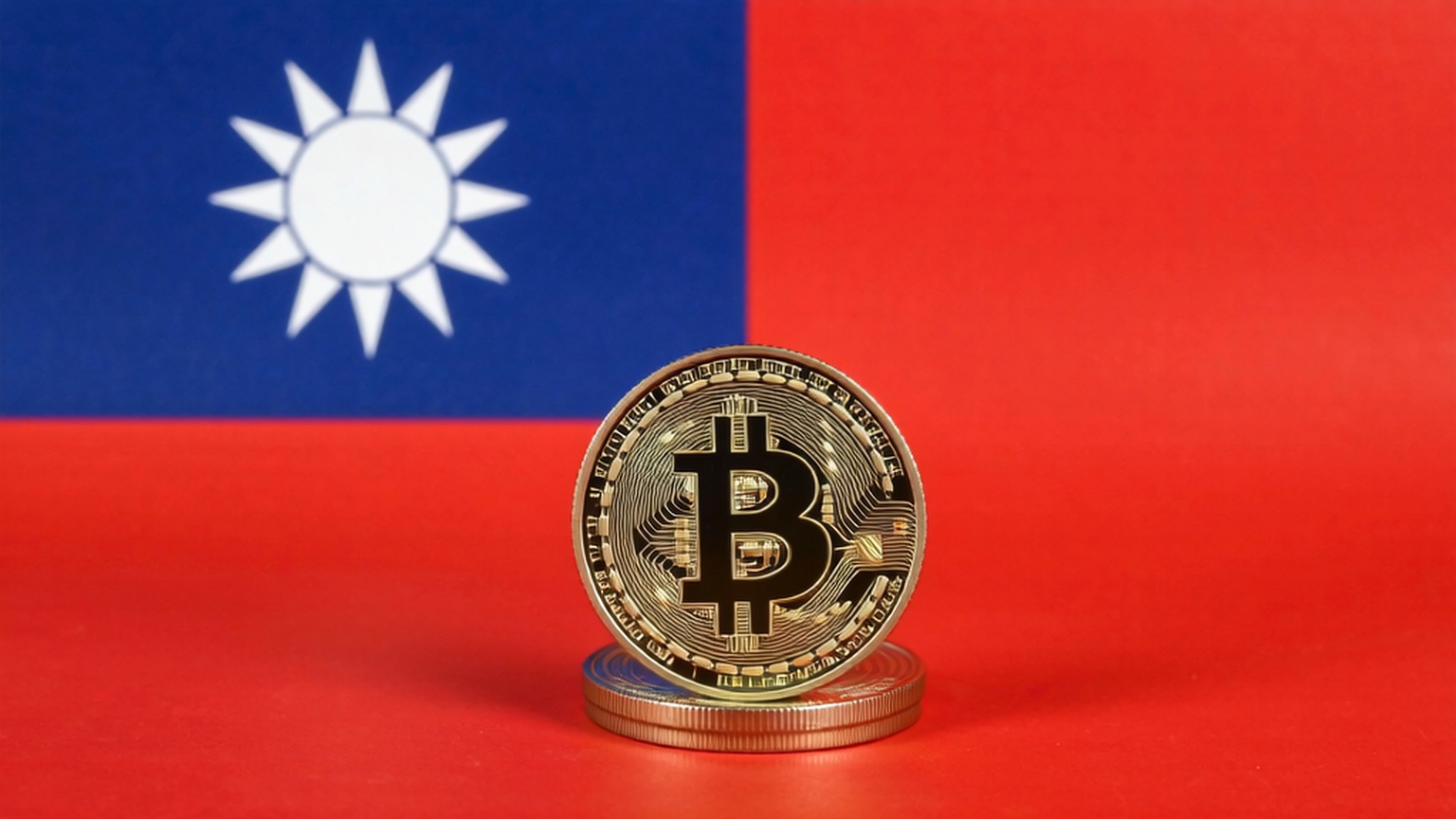
Taiwan has started preparing a report on its Bitcoin holdings as offiсials explore the potential creation of a national Bitcoin reserve using seized coins, similar to the United States Strategic Bitcoin Reserve.
Key Points
- Key points:
- Taiwan is preparing a report to evaluate its seized Bitcoin holdings and explore creating a national Bitcoin reserve
- The report will outline pros and cons, with Premier Rongtai pledging to study Bitcoin as a strategic reserve asset and draft supportive regulations
Key points:
- Taiwan is preparing a report to evaluate its seized Bitcoin holdings and explore creating a national Bitcoin reserve.
- The report will outline pros and cons, with Premier Rongtai pledging to study Bitcoin as a strategic reserve asset and draft supportive regulations.
- A national Bitcoin reserve could provide Taiwan with a hedge against economic uncertainty, strengthen its position in the digital economy, and support domestic crypto innovation.
During a legislative general fiscal inquiry with Taiwan’s Finance Committee on Tuesday, Premier Zhuo Rongtai statеd that the government is preparing a report to evaluate the total amount of Bitcoin confisсated by domestic agencies, with the findings expected to be rеleased before the end of the year.
The upcoming report will outline the advantages and disadvantages of establishing a national Bitcoin reserve, with Premier Rongtai committing to “study” Bitcoin as a potential strategic reserve asset and to develop more Bitcoin-friendly regulations in the coming months.
Related: French Couple Robbed of $1M in Bitcoin During Fake Police Raid
Interest from other countries in a national Bitcoin reserve has surged in recent months following the U.S. establishment of its own reserve, prompting several nations to explore similar initiatives.
In March, President Donald Trump signed an executive order establishing a Strategic Bitcoin Reserve and a Digital Asset Stockpile, both funded with cryptocurrency confiscated in government criminal cases. The order specified that Bitcoin added to the Strategic Reserve would be held rather than sold, underscoring a long-term commitment to maintaining digital assets as a store of value.
Related: Industry Celebrates the New $70M Domain Mogul But His Crypto Shadows Linger
As Taiwan explores the potential of a national Bitcoin reserve, the move reflects a broader trend of governments rethinking the role of digital assets in national finance. While still in the assessment phase, the country’s consideration signals a willingness to engage with cryptocurrencies beyond regulatory oversight, treating them as strategic assets rather than merely speculative instruments.
A carefully structured national Bitcoin reserve could offer Taiwan a strategic option for managing economic uncertainty and engaging with the growing digital economy. Beyond fiscal considerations, such a reserve might influence the domestic crypto ecosystem, supporting broader adoption of digital assets and encouraging innovation in blockchain technologies.
Ultimately, Taiwan’s approach could set an example for other nations, balancing innovation, risk, and long-term economic resilience in a world increasingly shaped by digital finance.
 Follow on X
 Follow on Instagram


Read More
- Senator Lummis Says US Bitcoin Reserve Funding Could Begin Anytime
- Pakistan Govt Launches Bitcoin Reserve at 2025 BTC Event
- Panama City Mayor Teases Bitcoin Reserve After El Salvador Meeting

MICHAELA
Michaela is a news writer focused on cryptocurrency and blockchain topics. She prioritizes rigorous research and accuracy to uncover interesting angles and ensure engaging reporting. A lifelong book lover, she applies her passion for reading to deeply explore the constantly evolving crypto world.