 Michaela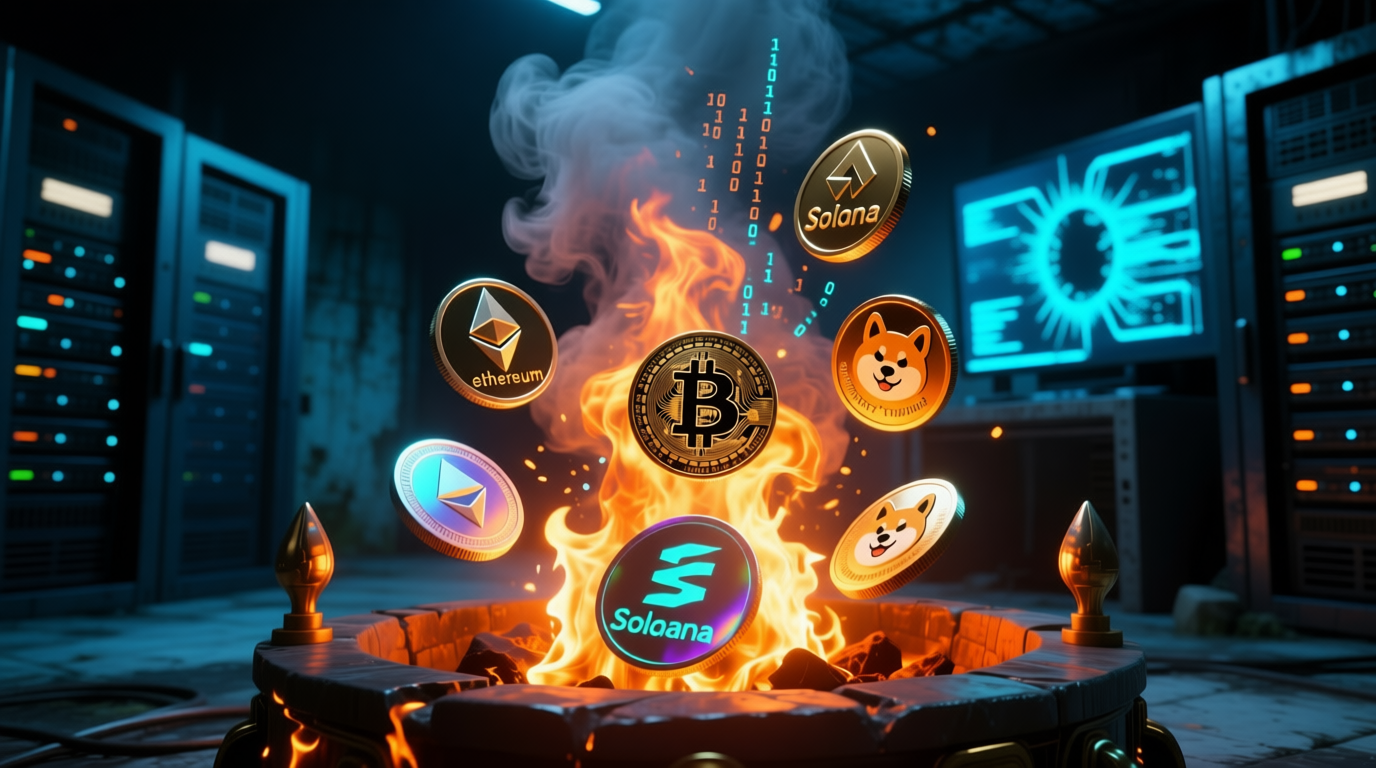
If you’ve spent any time scrolling through crypto Twitter, you’ve probably seen the phrase “token burning” pop up, and no, it’s not about setting your coins on fire. In the crypto world, token burning means permanently removing a portion of tokens from circulation, kind of like locking them in a vault and throwing away the key.
Key Points
- If you’ve spent any time scrolling through crypto Twitter, you’ve probably seen the phrase “token burning” pop up, and no, it’s not about setting your coins on fire
- In the crypto world, token burning means permanently removing a portion of tokens from circulation, kind of like locking them in a vault and throwing away the key
Key points:
- Token burning reduces supply and boosts scarcity, often driving demand and supporting higher crypto prices.
- Regular burns signal a project’s long-term commitment, building investor confidence and community trust.
- Beyond price, token burning strengthens engagement, stability, and the overall health of crypto ecosystems.
The idea is simple but powerful: fewer tokens mean more scarcity, which can spark demand and potentially heat up prices. Beyond price action, burns can also shape community sentiment, signaling that a project is serious about sustainability, value, and long-term growth. In short, it’s one of crypto’s favorite ways to keep the market feeling alive and kicking.
1. Reducing Supply, Increasing Scarcity
Think of token burning like taking slices out of a pie, fewer slices mean each one left becomes more valuable. When a project burns tokens, it lowers the total supply, which can make the remaining tokens rarer. In crypto, scarcity often equals demand, and when demand goes up while supply goes down, prices can start heating up. It’s simple economics with a fiery twist.
Related: Memecoins Are Not Dead: Why 2026 Marks the Biggest Comeback in Crypto History
2. Signaling Strong Project Commitment
When a project commits to burning tokens, it’s sending a clear message: “We’re in this for the long haul.” Token burning can show that the team believes in their token’s value and wants to support a balanced ecosystem. It’s a public act of confidence that tells holders and investors, “We’re serious about keeping this ship steady and valuable.”
3. Encouraging Long-Term Holding
Nobody likes watching prices bounce around like a ping-pong ball, but predictable burns can help calm the nerves. When a project sets a regular burn schedule, holders know that supply will keep decreasing over time. This expectation can encourage them to hold onto their tokens longer, waiting for that potential value boost rather than rushing to sell.
4. Boosting Community Engagement
Few things bring a crypto community together quite like a burn event. Whether it’s watching a live countdown or voting on how many tokens should go up in digital smoke, token burning often becomes a shared experience. It builds hype, transparency, and trust, especially when the community has a say in how it all happens.
Related: Binance Founder Zhao Sаys Lаck of Privacy Hampers Crypto Payments Growth
5. Supporting Ecosystem Stability
Burns aren’t just flashy events; they can also help maintain balance across decentralized finance (DeFi) ecosystems. By reducing excess supply and curbing inflation, token burning helps projects fine-tune circulation and rewards. It’s like crypto’s version of goоd housekeeping, keeping things in order so the entire ecosystem runs smoothly.
Token Burning: Fuel for Crypto’s Future
Token burning isn’t just a clever way to manage supply, it’s become one of the most dynamic tools in crypto’s playbook. As projects experiment with new burn models, from automatic smart contract burns to community-triggered ones, the strategy keeps evolving.
What started as a simple deflationary mechanism has grown into a signal of innovation, commitment, and collaboration. Each burn can ignite fresh waves of excitement, influencing not just prices but the energy that fuels a community. In the long run, token burning might prove tо be less about destruction and more about creation, sparking stronger ecosystems and shaping the future of value itself.
 Follow on X
 Follow on Instagram


Read More
- What Is Token Burning and Why Do Crypto Projects Do It?
- SHIB Burn Explained: How the Community Is Creating a Deflationary Future
- Token Burn Reversal: ZachXBT Labels CRO a Scam After Crypto.com Backtracks on 70B

MICHAELA
Michaela is a news writer focused on cryptocurrency and blockchain topics. She prioritizes rigorous research and accuracy to uncover interesting angles and ensure engaging reporting. A lifelong book lover, she applies her passion for reading to deeply explore the constantly evolving crypto world.