 Michaela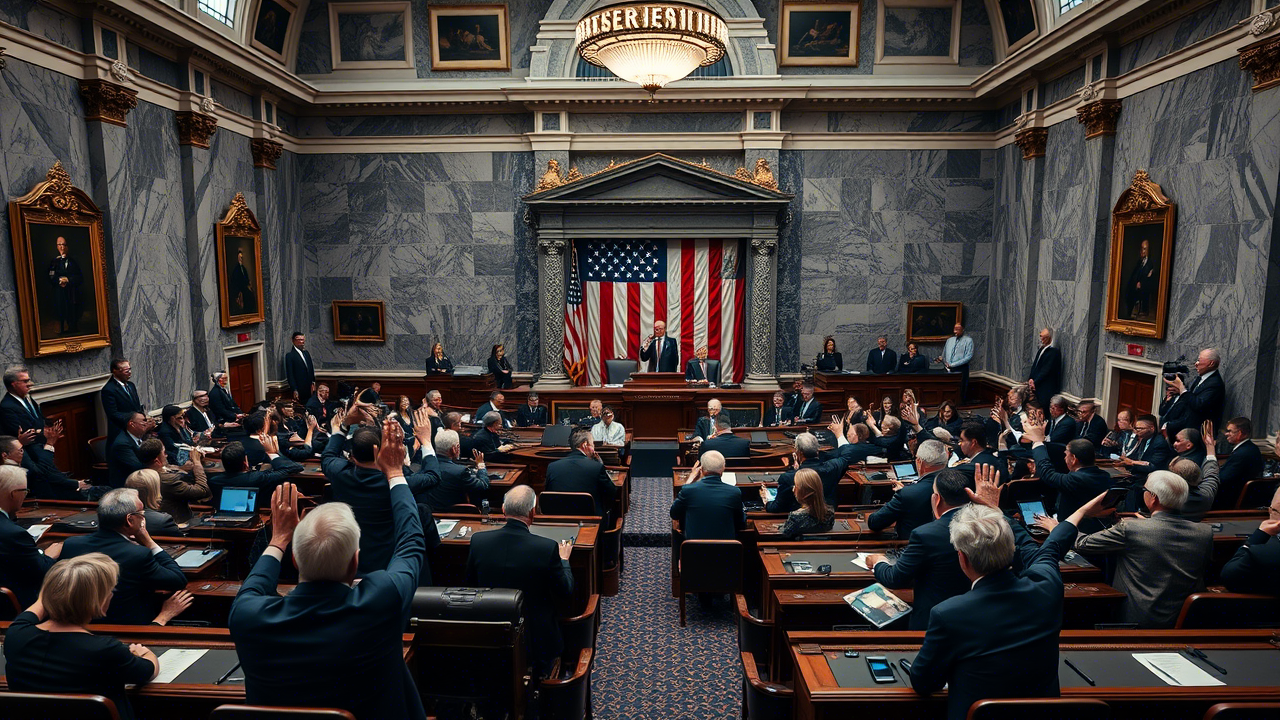
After more than 24 hours of debate, the U.S. Senate has narrowly approved the budget recоnciliation bill, nicknamed the “One Big Beautiful Bill”, in a 50-50 vote. The legislation has faced significant bipartisan criticism over healthcare reductions, AI oversight, and the impact of tax cuts on wealth distribution.
Vice President JD Vance cast the deciding vote, breaking a 50-50 deadlock in the Senate. The legislation faced opposition from all Democrats and three Republicans, many of whom sought amendments addressing AI regulation and increased funding for rural hospitals.
Senator Cynthia Lummis, known for her strong support of digital assets, рroposed including a provision in the “One Big Beautiful Bill” to tackle what she described as “unfair tax treatment” faced by crypto miners and stakers.
However, Senator Lummis’ proposed amendments were not included in those presented on the Senate floor on Monday or Tuesday, and the bill was passed without provisions addressing crypto taxation.
Related: Memecoins Are Not Dead: Why 2026 Marks the Biggest Comeback in Crypto History
“While this bill certainly isn’t perfect, it’s a major step in the right direction that further unlocks Wyoming energy and delivers significant wins for working families across Wyoming,” Senator Lummis wrote in an X post following the passage of the “One Big Beautiful Bill.”
The bill now heads back to the U.S. House of Representatives, where lawmakers will take up the Senate’s amendments. With Republicans maintaining a narrow majority in Congress, the legislation is expected to encounter strong pushback from Democrats.
Despite the bill’s passage, it has drawn criticism from several lawmakers and high-profile figures across industry and civil society. Among the most notable critics is Tesla CEO Elon Musk, whose once-amicable relationship with President Donald Trump has cooled following the president’s endorsement of the “One Big Beautiful Bill.”
Related: OpenAI Shuts Down Viral AI Video App Sora After Just Six Months
Befоre the legislation cleared the Senate, Musk publicly voiced his opposition, suggesting that its approval could prompt him to launch a new political organization. “American Party,” he proposed, adding that the United States “needs an alternative to the Democrat-Republican uniparty so that the people actually have a VOICE.”
One of Musk’s primary criticisms of the bill is its projected impact on the national debt, expressing concern that the United States cannot afford the additional fiscal burden. “What’s the point of a debt ceiling if we keep raising it?” the Tesla CEO asked in a separate X post. “All I’m asking is that we don’t bankrupt America,” he said in another X post.
As debate over the bill continues beyond the Senate chamber, its long-term economic and political implications remain uncertain. Lawmakers, industry leaders, and the public alike will be watching closely as the legislation advances, setting the stage for further clashes over federal spending priorities and the future direction of U.S. policy.
Read More
- Musk and Trump Clash Over “Big Beautiful Bill” Amid Rising Tensions
- Bitcoin Reserve Push: Sen. Lummis Calls for National Strategy and Tax Reforms at BTC 2025
- Elon Musk Blasts Trump’s $2T Spending Bill Days After White House Exit

MICHAELA
Michaela is a news writer focused on cryptocurrency and blockchain topics. She prioritizеs rigorous research and accuracy to uncover interesting angles and ensure engaging reporting. A lifelong book lover, she applies her passion for reading to deeply explore the constantly evolving crypto world.