
 Michaela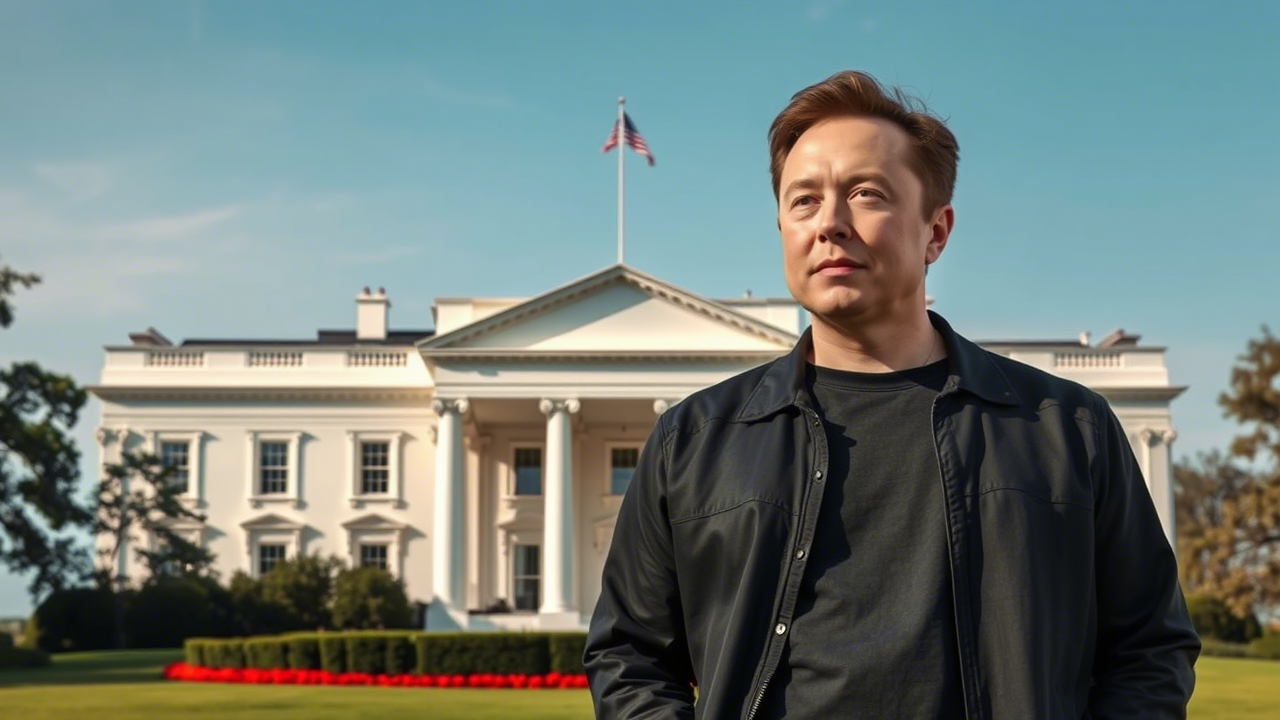
Tech billionaire Elon Musk has publicly criticized the Republican-led congressional spending bill aligned with Donald Trump’s agenda, voicing concerns over what he described as reckless government spending and lack of fiscal responsibility.
“I’m sorry, but I just can’t stand it anymore,” Musk wrote in a post to his social media platform, X. “This massive, outrageous, pork-filled Congressional spending bill is a disgusting abomination. Shame on those who voted for it: you know you did wrong. You know it,” he added.
Musk further argued that the spending bill would significantly expand the nation’s already substantial budget deficit, pushing it to $2.5 trillion and placing what he described as an unsustainable financial burden on the American public.
The Congressional Budget Office, a nonpartisan agency, projected that the package would raise the deficit by $2.3 trillion. This increase is driven by tax cuts combined with increased spending on immigration enforcement and the military, which outweigh the proposed savings.
Related: Trump Blasts Banks as GENIUS Act Stalls in Senate Over Yield Dispute
Musk intensified his criticism by declaring in a subsequent post on X that in November, “we fire all politicians who betrayed the American people.”
NBC News reported that a source close to the Musk-Trump relationship identified four key issues fueling Musk’s recent social media frustrations. Among them was the notable exclusion of electric vehicle tax credits from the bill, a benefit that would directly impact Tesla buyers. The source also emphasized Musk’s ongoing efforts to have the Federal Aviation Administration (FAA) integrate his Starlink satellite system into their control operations.
Related: Lagarde Exit Talk Sparks Uncertainty Over ECB Digital Euro Future
The source also pointed to personnel matters, revealing that the nomination of Musk supporter Jared Isaacman for NASA administrator was withdrawn over the weekend. Additionally, Musk had sought to extend his role as a special government employee beyond the 130-day limit, but the White House declined to approve the extension.
As tensions grow between Musk and political leaders, industry watchers will be closely monitoring how these disagreements might influence future policy decisions affecting the tech and space sectors.
Read More
- Elon Musk’s XChat Claims Bitcoin Encryption — Experts Raise Doubts
- High xAI Valuation at Core of Musk’s New Funding Moves
- Elon Musk xAI to Bring Grok AI Chatbot to Telegram in $300M Deal

MICHAELA
Michaela is a news writer focused on cryptocurrency and blockchain topics. She prioritizes rigorous research and accuracy to uncover interesting angles and ensure engaging reporting. A lifelong book lover, she applies her passion for reading to deeply explore the constantly evolving crypto world.