
 Michaela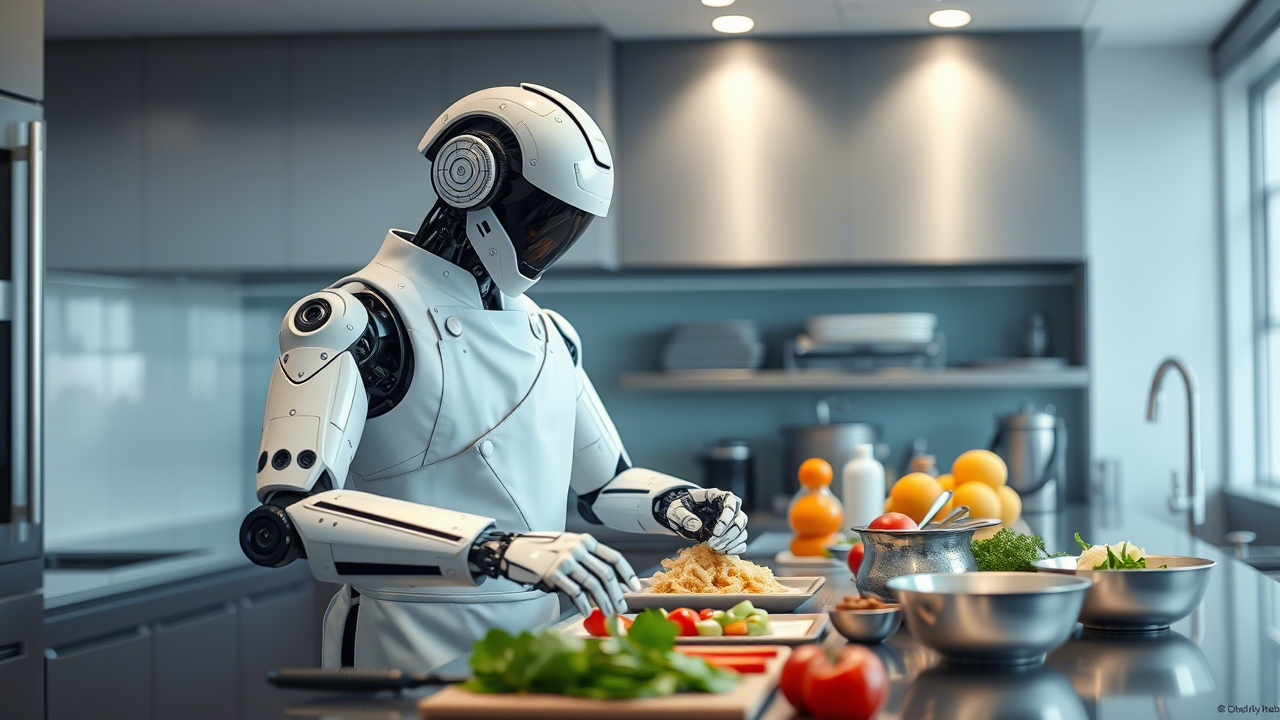
Technology consulting firm RediMinds Inc. has launched Zippy, an AI robot chef now operating in commercial kitchens, marking the company’s latest push into intelligent automation for the foodservice industry.
The AI-powered robotic chef reportedly comes pre-trained on a dataset of over five million multimodal recipes, using multi-modal perception and active heat transfer modeling to adapt to variations in ingredients and appliances with the precision of an expert chef.
Designed to quickly master a wide range of cuisines—including Italian, Mexican, and Indian—Zippy can leаrn and replicate gourmet dishes after observing just a single expert-led demonstration.
The system blends autonomy with teleoperation (currently at a 91:9 ratio), allowing Zippy to navigate novel scenarios and continuously refine its culinary skills.
Zippy, a project developed through the collaboration between RediMinds and food technology startup CloudChef, is currently fulfilling a full line-cook role at CloudChef’s kitchen in Palo Alto, California. Thе AI-powered robot is “adapting to environments and replicating gourmet dishes with jaw-dropping precision,” according to RediMinds.
Related: Memecoins Are Not Dead: Why 2026 Marks the Biggest Comeback in Crypto History
CloudChef’s website offers commercial kitchens the opportunity to hire Zippy at an hourly rate of $12, slightly below the city of Palo Alto’s minimum wage standard.
In a post on X, Nikhail Abraham, CEO of CloudChef, shared that the AI-powered robot is already preparing meals for Michelin-starred chefs. “With Zippy, commercial kitchens can finally scale high quality food production without worrying about skilled labor shortages or turnover,” Abraham wrote.
AI Robot Takes on New Roles
Zippy is among the latest AI robots to make headlines, arriving alongside the recent unveiling of an AI-powered police robot in Thailand.
Nicknamed “AI Police Cyborg 1.0,” the robot officer features a Robocop-inspired design and is equipped with 360-degree AI-pоwered surveillance cameras. The AI robot was developed through a partnership between Provincial Police Region 7, the Nakhon Pathom Municipality, and the local provincial police force to bolster public safety during events.
Related: OpenAI Shuts Down Viral AI Video App Sora After Just Six Months
The robot processes real-time video feeds from nearby CCTV systems and drone patrols, which are then transmitted directly to the provincial Command and Control Centre. This setup allows authorities to closely monitor large gatherings and respond swiftly to any security issues that arise.
As AI robots continue to evolve and take on roles across industries—from kitchens to city streets—they raise important questions about the future of work, public safety, and the ethical boundaries of machine intelligence. While their potential to enhance efficiency and precision is undeniable, the broader implications of integrating autonomous systems into daily life are only just beginning to unfold.
Read More
- Kawasaki Unveils Hydrogen-Powered Robotic Horse at Osaka Expo
- CRISPR Brings Gene-Edited Human Embryos Closer to Reality
- Pilotless Air Taxis Cleared for Takeoff and Tourism in China

MICHAELA
Michaela is a news writer focused on cryptocurrency and blockchain topics. She prioritizes rigorous research and accuracy to uncover interesting angles and ensure engaging reporting. A lifelong book lover, she applies her passion for reading to deeply explore the constantly evolving crypto world.