 Michaela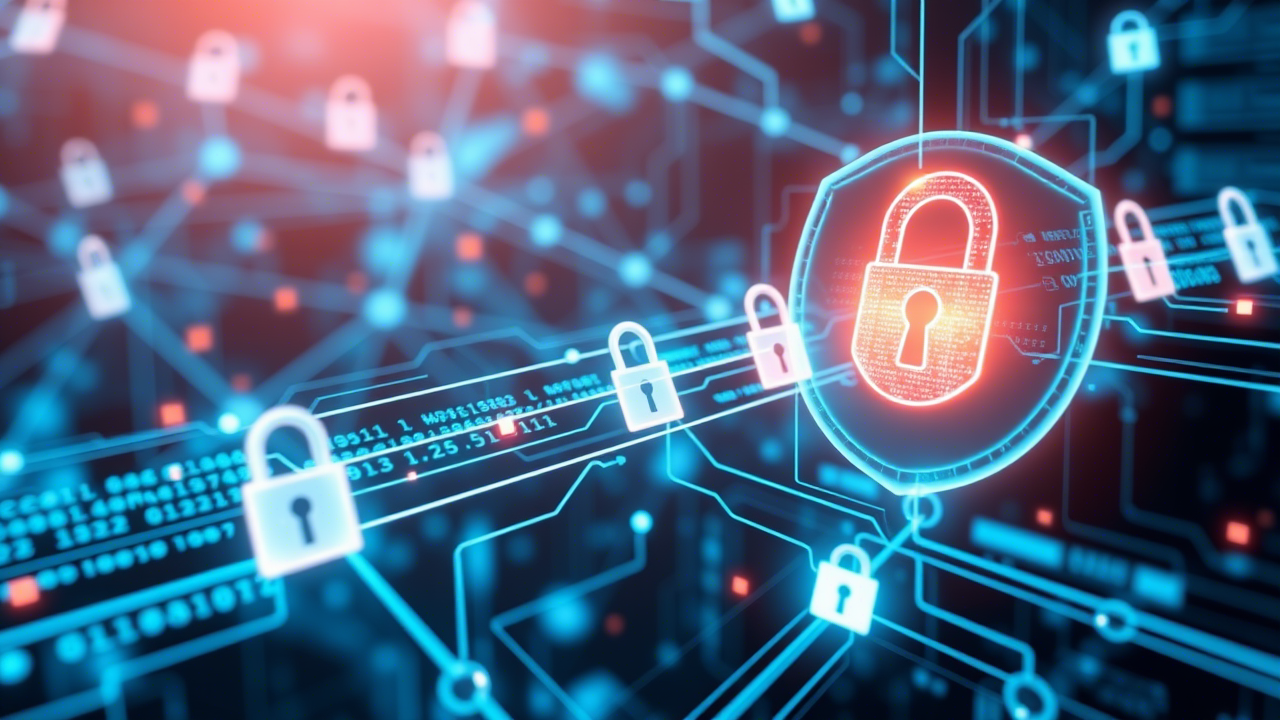
In today’s digital age, it seems like everyone has experienced some form of a data breach, whether it’s your email getting hacked, your credit card information stolen, or even your social media profile being compromised. It’s a constant reminder of how fragile our personal data really is, and how easily it can slip into the wrong hands. The truth is, data security and privacу are more critical than ever before — and traditional systems arе just not cutting it anymore.
Now, picture this: a technology so secure, transparent, and user-controlled that it could help prevent these digital nightmares. Enter blockchain — the game-changing technology that promises to revolutionize how we protect our data.
Blockchain isn’t just about cryptocurrency; it’s about using a decentralized system to keep our information safe from prying eyes and cyber attacks. No more worrying about hackers stealing your data or companies misusing it. Blockchain could very well be the key to solving the data security and privacy issues that have plagued us for years.
In this article, we’ll break down why blockchain is the future of data security and privacy. It’s not just about protecting your personal data — it’s about ensuring transparency, giving you full control, and making sure that your information stays where it belongs: with you. Let’s dive into how blockchain is making that possible and why it’s set to reshape the future of data security for everyone.
Understanding Data Security and Privacy Chаllenges
In today’s digital world, data security and privacy are huge concerns. We’ve all heard about massive data breaches — from companies losing customer info to social media hacks exposing personal details. With everything online, from banking to shopping to socializing, it’s no surprise that hacking and identity theft are constantly in the news. These breaches can happen to anyone, and when they do, the consequences can be devastating. Imagine your credit card info being stolen, or worse, someone pretending to be you online. Not a fun thought, right?
For individuals, the impact is clear: stolen identities, financial losses, and a major hit to your reputation. And it’s not just people who suffer — businesses face serious consequences too. If a company’s data gets compromised, it could lead to massive fines, legal battles, and a loss of customer trust. In today’s world, trust is everything, and a single data breach can cause a domino effect that’s hard to recover from.
The problem? Traditional systems just don’t cut it anymore. Centralized databases, passwords, and firewalls were once the go-to solutions, but they’ve been increasingly ineffective at keeping data safe. Hackers are getting more sophisticated, and these outdated methods are struggling to keep up. A single vulnerability in a centralized system can lead to widespread problems, leaving personal data exposed to anyone with the right tools. That’s where blockchain comes in, offering a fresh approach to solving these data security and privacy challenges.
What Makes Blockchain a Secure Solution?
So, what makes blockchain such a secure solution for data security and privacy? Well, the magic lies in its unique features that go beyond what traditional systems can offer. Let’s break it down:
Decentralization
Blockchain’s decentrаlized nature is one of its key strengths. Unlike regular systems where all your data is stored in one place (like a central database), blockchain spreads the data across many different computers, оr “nоdes,” around the world. This means there’s no single point of failure. Hackers can’t just target one server to steal everything because the data is scattered and encrypted on so many different machines. It’s like having a treasure chest with multiple locks, each one requiring a different key. Pretty secure, right?
Immutability
One of blockchain’s superpowers is its immutability. Once data is recorded on the blockchain, it’s permanent. You can’t change it, delete it, or manipulate it. Imagine writing something in stone — that’s what the blockchain ledger is like. This makes it really hard for anyone to tamper with your information, providing an extra layer of security. Even if someone tries to mess with a transaction, the rest of the network would spot it and reject it immediately.
Encryption
Blockchain uses strong encryption techniques to safeguard data during transactions. This ensures that sensitive information remains private аnd secure. It’s like sending a locked box that only the intended recipient can open. Hackers would have a tough time intercepting or reading encrypted data, ensuring that your personal and business information stays protected.
Related: Memecoins Are Not Dead: Why 2026 Marks the Biggest Comeback in Crypto History
Transparency
Blockchain is transparent, but in a privacy-respecting way. It offers a public ledger where anyone can verify transactions, which helps keep things honest. However, sensitive details (like your personal data) remain private thanks to encryption and smart contract mechanisms. It’s like hаving a book where everyone can read the chapter titles, but only you can read the pages inside. This transparency ensures accountability while still respecting privacy.
In short, blockchain’s combination of decentralization, immutability, encryption, and transparency makes it a game-changer for data security and privacy, offering a more secure and reliable way to protect your information.
Privacy-Preserving Features of Blockchain
Blockchain is a game-changer when it comes to data security and privacy, offering several key features that keep your personal details safe while allowing you to interact freely in the digital world:
- Pseudonymity: Blockchain allows users to protect their identity while engaging in transactions by using a wallet address instead of a real name. It’s like a digital mask that lets you move around without exposing your true identity.
- Selective Disclosure: Blockchain enables users to share only the necessary data in a transaction. Using techniques like zk-SNARKs (zero-knowledge proofs), you can prove something (e.g., your age) without revealing other personal details.
- Decentralized Identity: With blockchain, individuals have full control over their personal data, unlike traditional systems where companies manage your identity. You decide who gets access and when, ensuring your data security and privacy are fully in your hands.
These privacy-preserving features are what set blockchain apart as a data security and privacy solution, offering not just security but complete control over your personal information.
Real-World Aрplications of Blockchain in Data Security
Blockchain is already proving its potential in various industries, offering solid solutions to data security and privacy challenges. Here’s how it’s being used in the real world:
Blockchain in Finance
In finance, blockchain is helping to secure financial data and prevent fraud. With its transparent and immutable ledger, blockchain ensures that banking transactions and cryptocurrency exchanges are tamper-proof, reducing the risk of fraudulent activities.
Blockchain in Healthcare
Healthcare is one of the most sensitive areas when it comes to data security and privacy. Blockchain offers a secure way to store and share patient data, ensuring that only authorized users can access it. This not only keeps sensitive medical records safe but also helps in preventing unauthorized data breaches.
Blockchain in Supply Chains
Blockchain is revolutionizing supply chain management by providing an immutable and transparent record of every step a product takes, from manufacturer to consumer. This secure tracking helps prevent fraud, assures the authenticity of products, and ensures that all data along the supply chain is accurate and unchangeable.
Governments and Blockchain
Governments are increasingly turning to blockchain to secure personal data in public records. From national IDs to voting systems, blockchain ensures that sensitive information is safely stored and tamper-proof. This helps build trust in government systems and reduces the risk of fraud or unauthorized access to personal data.
With these real-world applications, blockchain is already making a significant impact on data security and privacy, providing innovative solutions in various sectors.
Related: Binance Founder Zhao Says Lack of Privacy Hampers Crypto Payments Growth
Future of Blockchain in Data Security and Privacy
The future of blockchain in data security and privacy is full of exciting possibilities! Here’s what we can look forward to:
Innovative Trends
Blockchаin isn’t stopping at where it is now. New developments, like interoperability and cross-chain solutions, are emerging to further enhance data security and privacy. These innovations will allow different blockchains to communicate with each other seamlessly, creating even more secure systems where data can flow safely between platforms while maintaining privacy.
Integration with Other Technologies
Blockchain isn’t working alone. By combining forces with other cutting-edge technologies like AI and the Internet of Things (IoT), blockchain can enhance data security and privacy even more. Imagine AI helping to predict and prevent security breaches before they even happen, all while IoT devices securely share data across a blockchain-powered network. It’s like having a supercharged, security-savvy team on your side!
Challenges and Obstacles
As much as blockchain offers great potential, there are still some hurdles to overcome. Scalability is one issue — as blockchain networks grow, they need to handle more data without slowing down. Regulation is another concern; governments are still figuring out how to regulate blockchain tech withоut stifling its decentralized spirit. Lastly, user education is kеy — many people are still not fully aware of the benefits blockchain offers for data security and privacy, and getting them on board will take some time.
The Road Ahead
Looking ahead, blockchain’s role in data security and privacy is only going to grow. We’re likely to see more widespread adoption as technologies improve and new solutions emerge. Blockchain will continue to lead the way, setting new standards for how we protect and manage data. It’s clear that blockchain has the potential to be a game-changer in securing our digital lives in ways we’ve only just begun to explore.
With all these еxciting trends, blockchain is on track to revolutionize data security and privacy, and the future looks brighter than ever!
Wrapping It Up: The Future of Data Security and Privacy with Blockchain
In a world where data security and privacy are more important than ever, blockchain is stepping up as a powerful solution. With its decentralized structure, unchangeable ledger, and cutting-edge encryption, blockchain is making it harder for bad actors to manipulate or steal data. Whether it’s keeping financial transactions secure, protecting sensitive healthcare records, or ensuring transparency in supply chains, blockchain is proving itself as a game-changer.
But it’s not just about what blockchain can do today — it’s about what it can do in the future. With innovations like cross-chain solutions, AI integrations, and decentralized identities on the horizon, the potential for even better data security and privacy is limitless. And as we continue to explore this technology, it’s clear that blockchain is leading the charge for a more secure digital world.
So, as we look ahead, consider how blockchain can help protect your personal data and improve the way organizations safeguard information. The more we learn and embrace these technologies, the more we can make data security and privacy a priority. Stay informed, get involved, and be part of the movement that’s shaping the future of a safer, decentralized internet!
Read More
- Unlocking Financial Inclusion Through Blockchain Innovation
- Blockchain and Energy: A New Way to Power the World
- 10 Benefits of Blockchain Technology Beyond Cryptocurrency

MICHAELA
Michaela is a news writer focused on cryptocurrency and blockchain topics. She prioritizes rigorous research and accuracy to uncover interesting angles and ensure engaging reporting. A lifelong book lover, she applies her passion for reading to deeply explore the constantly evolving crypto world.