
 Michaela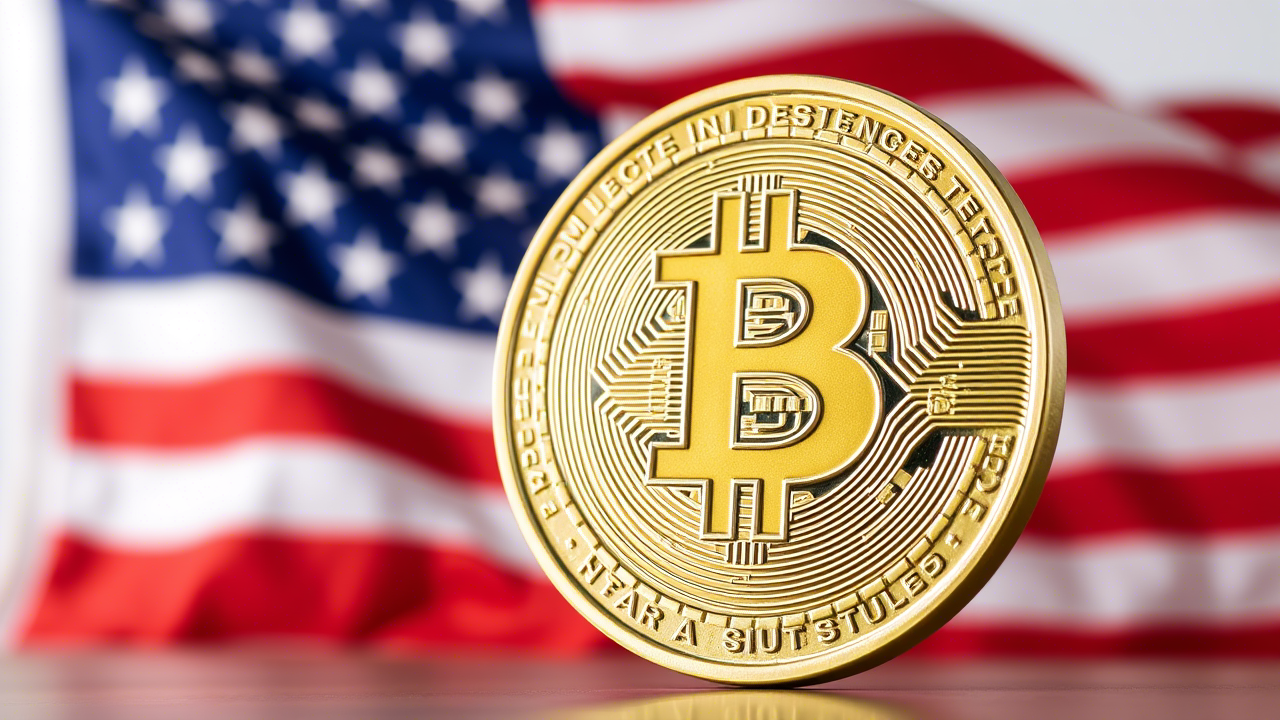
The U.S. administration has begun exploring creative strategies to grow its Bitcoin reserve, potentially tapping into Trump-era tariff revenues to fund new acquisitions, according to Bo Hines, Executive Director of the Presidential Council of Advisers for Digital Assets.
In an April 14 interview with crypto investor Anthony Pompliano, Hines confirmed that the administration is actively considering the strategy to grow its Bitcoin holdings.“We’re looking at many creative ways, whether it be from tariffs, whether it be from something else,” Hines said. “Everything’s on the table.”
Hines indicated that one оf the leading proposals under review is Senator Cynthia Lummis’ 2025 Bitcoin Reserve Act, which suggests revaluing U.S. Treasury gold certificates from their long-standing $43 per ounce to the current market rate of $3,223.61.
Speaking on the potential impact, Hines noted that such a revaluation could unlock substantial funds for acquiring Bitcoin to build national reserves—without the need to issue new debt.
Related: French Couple Robbed of $1M in Bitcoin During Fake Police Raid
Additionally, Hines explained that revaluing the gold certificates could create a significant paper surplus, enabling the government to allocate funds toward Bitcoin purchases without liquidating any physical gold. He emphasized that the objective is to establish a long-term national reserve, not to engage in trading or asset sales.
“We obviously have made it very clear that we want to acquire as much as wе can get. We have to acquire Bitcoin in budget-neutral ways that don’t cost a taxpayer a dime,” Hines stated.
Furthermore, Hines revealed that the White House is preparing a digital asset strategy set to be released this summer. The plan will focus on fostering crypto innovation, regulating emerging sectors such as staking and tokenization, and enhancing the global use of U.S. dollar-backed stablecoins.
Related: Industry Celebrates the New $70M Domain Mogul But His Crypto Shadows Linger
As the U.S. explores innovative approaches to building a national Bitcoin reserve, the government’s efforts to integrate Bitcoin and digital assets into its financial framework reflect a growing recognition of the potential of blockchain technology.
The forthcoming digital asset strategy and ongoing legislative proposals emphasize a key moment for the country as it seeks to balance regulation with innovation. With further developments expected, the push toward a national Bitcoin reserve could have lasting implications for both traditional and digital financial systems.
Read More
- Trump Weighs Temporary Tariff Exemptions to Aid Carmakers
- Howard Lutnick Reverses US Tariff Exemption
- Trump Pauses Reciprocal Tariffs, Hikes China’s to 125%

MICHAELA
Michaela is a news writer focused on cryptocurrency and blockchain topics. She prioritizes rigorous research and accuracy to uncover interesting angles and ensure engaging reporting. A lifelong book lover, she applies her passion for reading to deeply explore the constantly evolving crypto world.