 Michaela
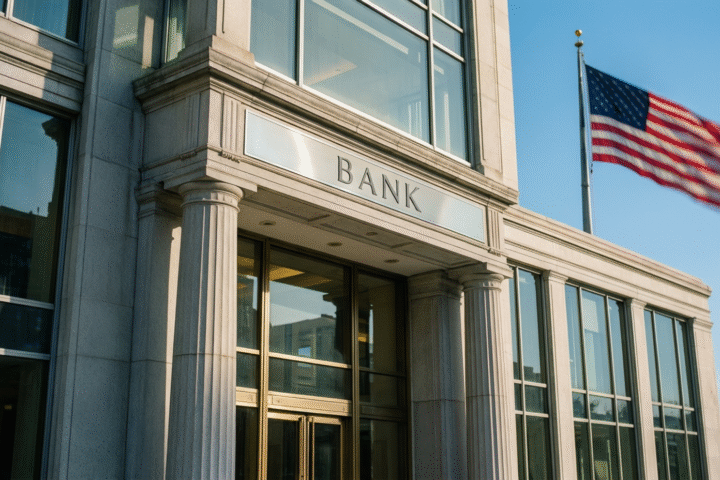
Republican Senator Tim Scott has introduced legislation aimed at limiting regulators from considering reputational risk when overseeing banks. The legislation could enhance banking access for crypto firms and various other industries.
The Financial Integrity and Regulation Management Act aims to tackle concerns that banks are denying services to certain customers based on political influence or public perception rather than financial criteria, a practice otherwise known as “debanking.”
Debanking is a practice where banks may choose not to do business with clients that pose “reputational risks.” The Federal Reserve defines reputational risk as “the potential that negative publicity regarding an institution’s business practices, whether true or not, will cause a decline in the customer base, costly litigation, or revenue reductions.”
Over the past two decades, debanking has reportedly impacted businesses across multiple industries, including cryptocurrency, firearms, federal prison contractors, and cannabis. In recent years, the issuе has gained attention, with cryptocurrency advocates alleging that an organized effort was made to restrict banking access for legitimate crypto firms in the U.S.
Related: Trump Blasts Banks as GENIUS Act Stalls in Senate Over Yield Dispute
According to the Wall Street Journal, 11 Republican lawmakers are backing Senator Scott’s bill, with several banking industry groups preparing to endorse it. Among them is the Bank Policy Institute, a nonpartisan organization representing major financial institutions. JPMorgan сhase, the largest U.S. bank, has also voiced its support for the legislation.
Cynthia Lummis, Mike Crapo, Bernie Moreno, and Katie Britt are among the 11 Republican senators supporting the bill.
Multiple cryptocurrency firms have expressed concerns, stating that federal regulators have cited regulatory issues as a reason to limit their access to banking services.
Related: Lagarde Exit Talk Sparks Uncertainty оver ECB Digital Euro Future
“It’s clear that federal regulators have abused reputational risk by carrying out a political agenda against federally legal businesses,” Scott said in a statement. “This legislation is the first step in ending debanking once and for all.”
Unlike previous measures that sought to impose specific banking requirements, this legislation takes a different approach by eliminating reputational risk as a regulatory factor, a move that may garner broader support.
Read More
- Trump Set to Sign New Crypto De-Banking Executive Orders
- Ripple ‘Pushed’ for Solana’s Inclusion in Crypto Reserve – Reports
- Trump Crypto Summit: Key Industry Leaders Invited, Others Left Out

MICHAELA
Michaela is a news writer focused on cryptocurrency and blockchain topics. She prioritizes rigorous research and accuracy to uncover interesting angles and ensure engaging reporting. A lifelong book lover, she applies her passion for reading to deeply explore the constantly evolving crypto world.