 Gushiken Yona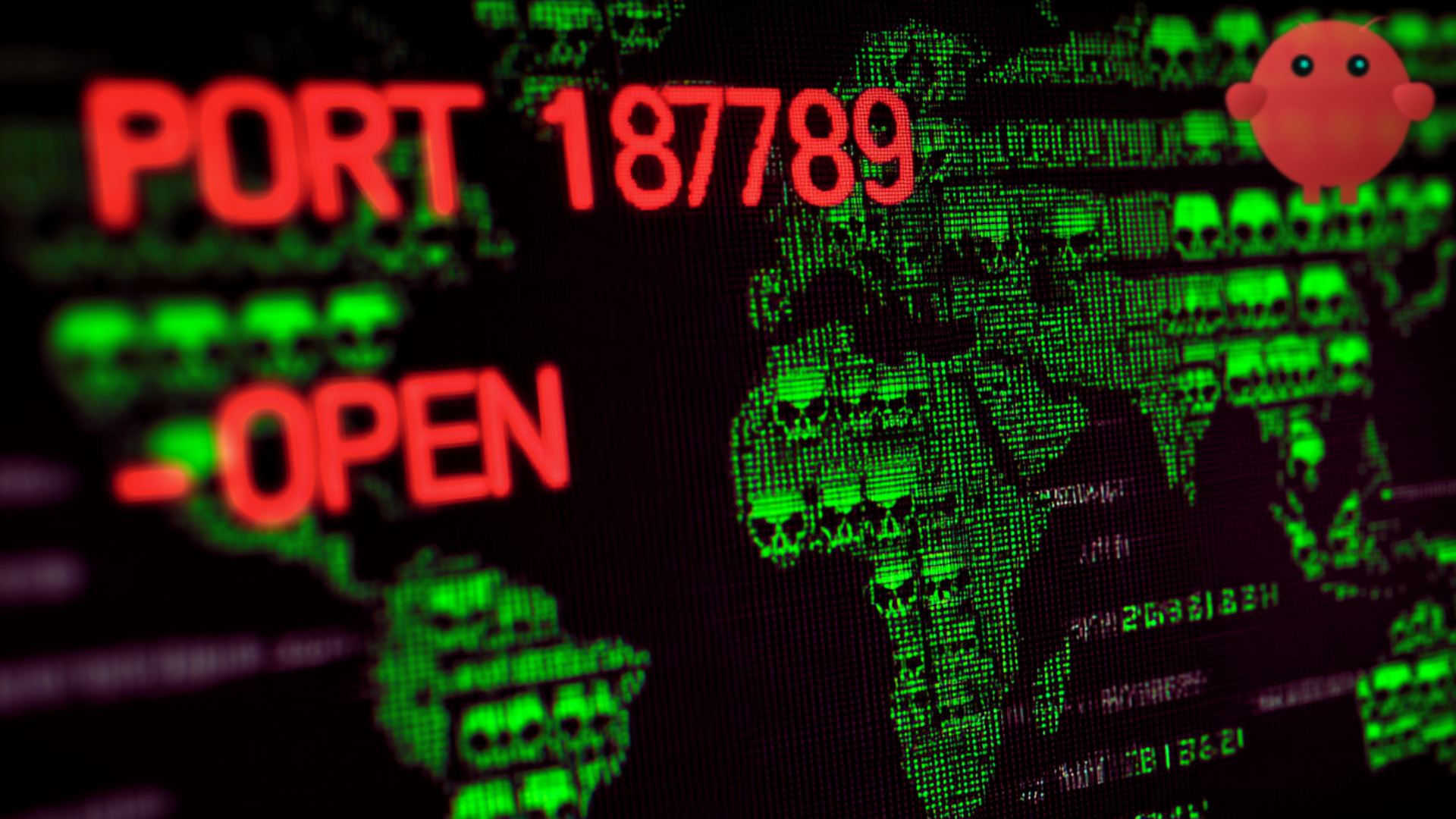
An explosive surge in the popularity of the AI agent “Clawdbot” just triggered a widespread security crisis. Cybersecurity experts warn that thousands of server deploуments are currently exposed to the open internet without any form of authentication.
Key Points
- Clawdbot, a popular open-source AI agent, exposed thousands of servers to remote hijacking due to unsecured default port configurations on Monday.
- The move involved over 1,000 unauthenticated servers and 43,000 GitHub stars as researchers warned of widespread API key theft.
- Experts say the crisis highlights the danger of prioritizing viral AI growth over fundamental security protocols in demo-grade software.
The software allows users to manage web browsing, shell commands, and scheduling via a simple interface using Anthropic’s Claude API. Clawdbot garnered over 43,000 GitHub stars in several weeks. Easy installation scripts often encourage users to deploy the agent on cloud Virtual Private Servers (VPS) with port 18789 left open to the world.
Remote Control Through Unsecured Endpoints
Security scans identified over 1,000 unauthenticated Clawdbot servers live on the web this week. Clawdbot executes shell commands and storеs sensitive API keys for major platforms including OpenAI and Anthropic. An unencrypted and unprotected port effectively grants total remote control of the user’s private infrastructure to anyone with a basic port scanner.
“Disaster’s coming,” security researcher ItakGol warned in a technical advisory on social media. “Thousands of these agents are live on cloud servers with open ports and zero authentication. If your bot can browse the web and access your files, an unauthenticated endpoint basically invites hackers to take over your machine.”
Related: OpenAI Shuts Down Viral AI Video App Sora After Just Six Months
Unauthorized actors use these gaps to exfiltrate keys, inject malicious code, or recruit servers for botnet activities. Every hour of exposure increases the risk of financial theft or system compromise.
Emergency Patches and Configuration Scans
Project maintainer Steinberger merged emergency patches to address the widespread exposure late Monday. Updated default settings now bind the agent sеrvice to the local machine’s IP address rather than a public one. A new diagnostic command called clawdbot doctor assists users in identifying configuration risks.
IT professionals recommend that all administrators immediately close port 18789 to public traffic. Effective security protocols involve utilizing VPN tunnels for remote access instead of opening raw ports. Developers also recommend rotating every API key stored on an exposed instance to stop unauthorized billing.
Related: Author Mia Ballard Denies AI Claims After Publisher Pulls ‘Shy Girl’
Crypto Integration and Demo-Grade Software
Speculative interest from the cryptocurrency sector grew alongside the software’s adoption. Recent social media discussions focus on potential integrations with on-chain wallets and the launch of community tokens such as $CLAWD. These movements suggest a desire to financialize AI agency before the technology reaches maturity.
Critics describe the current build as demo-grade software. The infrastructure lacks the enterprise security features required for safe commercial use. Tech commentator Signulll noted that utilities rarely survive if they’re a chore to use. Coherence and security remain the primary hurdles for AI agents.
Frequently Asked Questions

YONA GUSHIKEN
Yona brings a decade of experience covering gaming, tech, and blockchain news. As one of the few women in crypto journalism, her mission is to demystify complex technical subjects for a wider audience. Her work blends professional insight with engaging narratives, aiming to educate and entertain.