 Michaela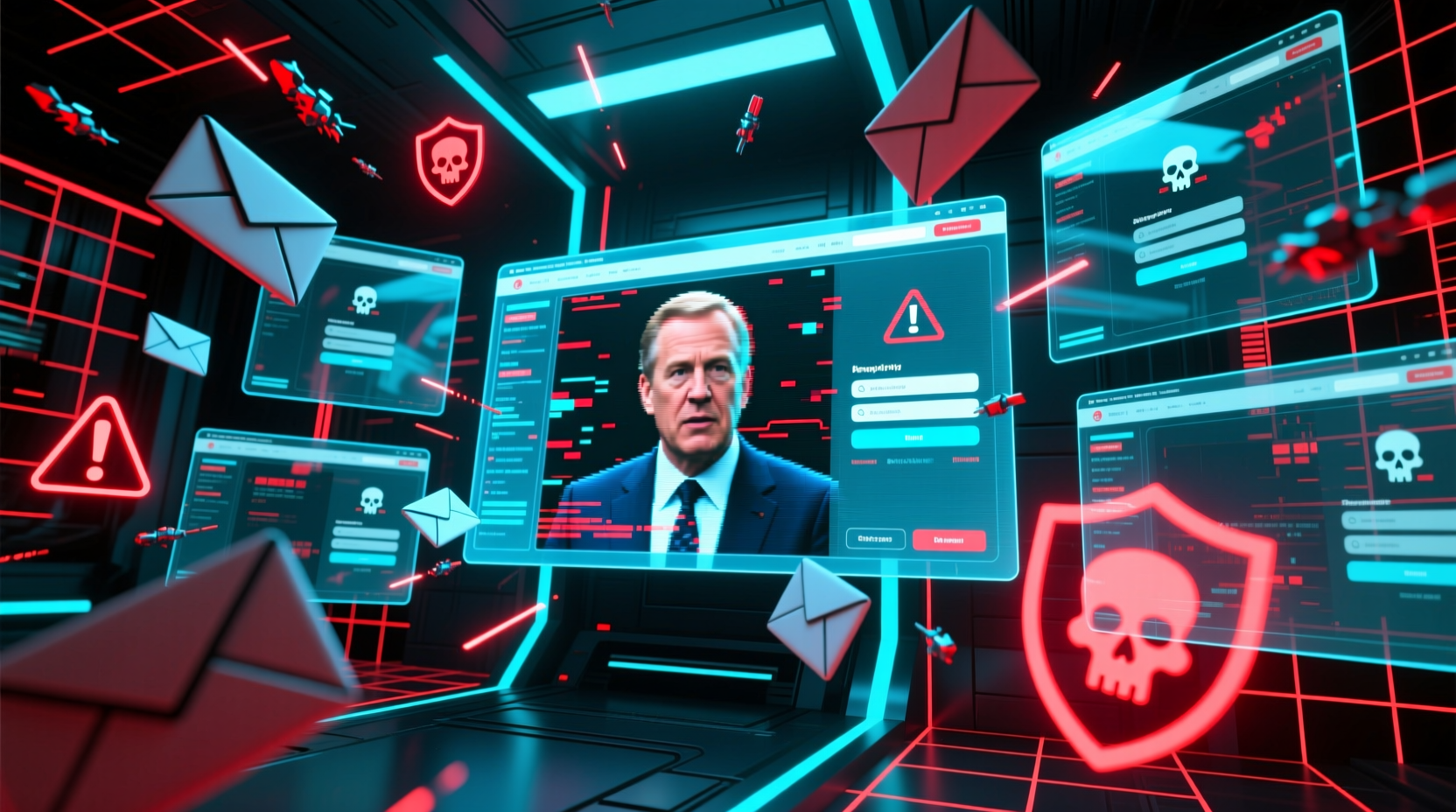
Phishing has always been a tricky game, but now artificial intelligence is leveling up the rules. AI-powered phishing attacks are smarter, sneakier, and more convincing than ever, crafting messages that feel personal, urgent, and almost impossible to ignore. That means the old advice of “don’t click strange links” is no longer enough to keep you safe.
Key Points
- AI is making phishing more personal, adaptive, and difficult to detect.
- Fake websites, deepfakes, and emotional manipulation are key AI phishing tools.
- Awareness, verification, and basic security practices are essential defenses.
Whether you’re checking email, scrolling social media, or messaging friends, anyone can be targeted. This article is your friendly guide to spotting AI-driven phishing tricks and taking simple, practical steps to stay one step ahead.
Section 1: Personalized Phishing Messages
AI is like a digital private detective, digging through publicly available info to make phishing emails feel eerily personal. Suddenly, a message about an invoice, a new connection request, or a “special offer” doesn’t feel generic, it feels like it was written just for you. Your favorite apps, recent searches, or even friends’ names might appear, making it much harder to tell fake from real.
Section 2: Convincing Fake Websites and URLs
Phishing websites are leveling up. Thanks to AI, attackers can whip up pages that mirror real companies almost perfectly. Logos, fonts, layouts, even tiny details like footer text, all can be cloned. And the URLs? AI can generate ones that look legitimate at a glance, so you might think you’re on a trusted site when it’s actually a trap.
Related: OpenAI Shuts Down Viral AI Video App Sora After Just Six Months
Section 3: Voice and Video Phishing (Deepfakes)
It’s not just emails anymore. AI can now generate deepfake voices and videos that imitate your boss, bank rep, or a colleague. Imagine receiving a video message or phone call urging you to share sensitive info, and it sounds totally real. The technology is so convincing that even careful users can be fooled.
Section 4: Smarter Spam and Social Engineering Campaigns
AI doesn’t just send random spam, it studies you. By analyzing social media activity and communication habits, it can craft messages that tug on your emotions. Fear, urgency, curiosity, or excitement can all be triggered, making you more likely to click, respond, or hand over info without realizing it.
Section 5: Adaptive Phishing Tactics
Here’s the scary part: AI learns. If a phishing attempt fails, it tweaks its strategy, changing the wording, timing, or approach to try again. Every attempt is smarter than the last, making phishing more adaptive and unpredictable. The attacks evolve with every interaction, keeping defenders constantly on their toes.
Related: Author Mia Ballard Denies AI Claims After Publisher Pulls ‘Shy Girl’
Phishing Defense: Staying One Step Ahead of Smarter Attacks
AI-powered phishing is no longer just a tech headline, it’s a real challenge for anyone online. The attacks are smarter, sneakier, and more personalized than ever, which makes awareness your best defense. Understanding how phishing works, spotting red flags, and staying alert online can keep you a step ahead of scammers.
By double-checking messages, inspecting URLs, and using security tools, you take control оf your digital safety. The more you know, the harder it is for phishing to catch you off guard, turning you from a target into a confident, savvy defender in the online world.
Frequently Asked Questions

MICHAELA
Michaela is a news writer focused on cryptocurrency and blockchain topics. She prioritizes rigorous research and accuracy to uncover interesting angles and ensure engaging reporting. A lifelong book lover, she applies her passion for reading to deeply explore the constantly evolving crypto world.