
 Michaela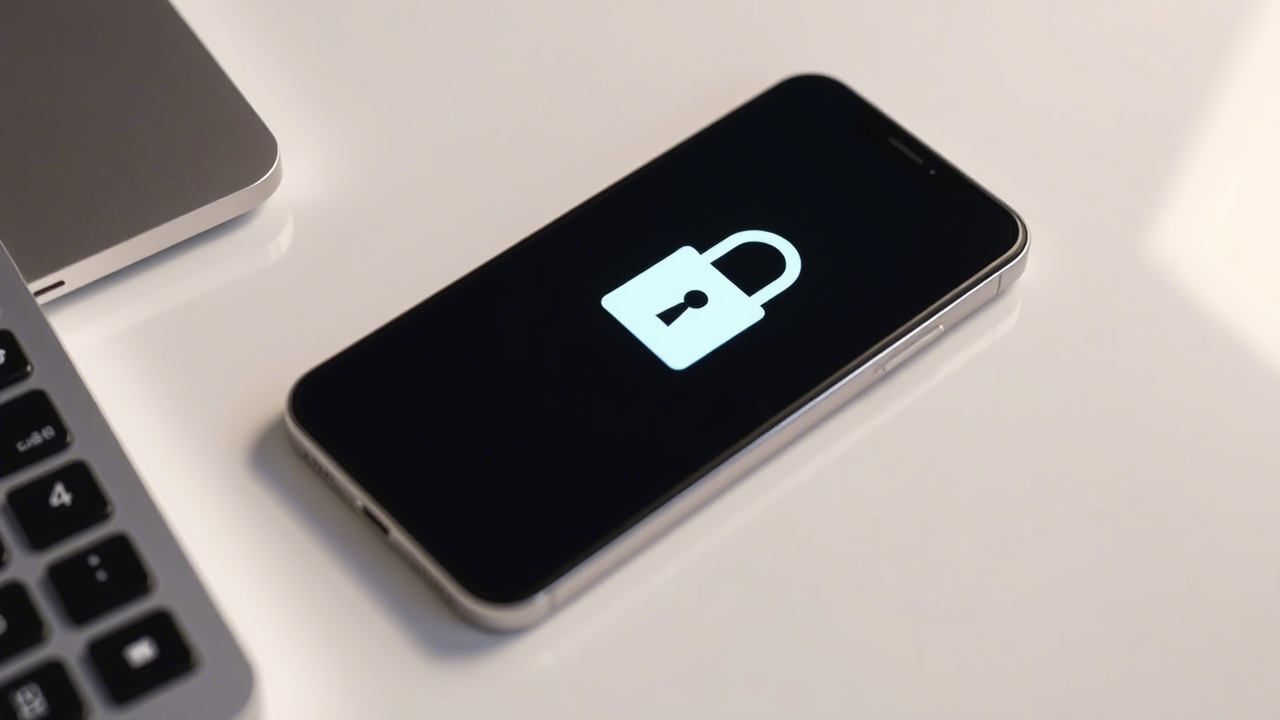
AT&T Inc., one of the largest telecommunicаtions providers in the U.S., has rolled out a new security feature called Wireless Account Lock, giving customers the ability to protect their accounts from SIM swapping attacks.
According to AT&T’s official announcement, the new feature allows users to enable or disable account protection at any time, preventing key changes such as billing modifications and wireless number transfers. The tool is offered free of charge and is designed to enhance account security by blocking unauthorized access or alterations.
Postpaid consumer wireless users can manage the feature via a toggle switch available within the myAT&T app, allоwing them to enable or disable the protection as needed.
The Wireless Account Lock adds an additional layer of verification before any significant changes can be made to an account. This includes blocking actions such as purchasing new devices or initiating a SIM swap, which involves transferring a phone number to a different SIM card.
Related: OpenAI Shuts Down Viral AI Video App Sora After Just Six Months
SIM swapping is a type of fraud where attackers trick a mobile carrier into transferring a victim’s phone number to a SIM card they control. This allows the attacker to intercept calls and texts, including two-factor authentication codes, potentially giving them access to sensitive accounts like banking or email. The impact on victims can be severe, often resulting in identity theft, financial loss, and compromised personal data.
In addition to consumer services, AT&T introduced the Wireless Account Lock feature for Business Accounts as well as a comparable lock for AT&T Prepaid wireless accounts. Furthermore, many other online platforms offer protection through multifactor authentication to enhance security beyond traditional password measures.
In today’s digital era, online account access has significantly enhanced convenience and efficiency. However, this technological advancement also introduces new security challenges and vulnerabilities that users must navigate carefully. “The best defense against cybercrime is awareness,” AT&T wrote.
Bad actors employ a variety of tactics to gain unauthorized access to user accounts. Common methods include phishing, where victims are tricked into revealing login credentials via fraudulent emails or websites.
Related: Author Mia Ballard Denies AI Claims After Publisher Pulls ‘Shy Girl’
Social engineering techniques exploit human psychology to manipulate individuals into divulging sensitive information. Credential stuffing, using stolen username-password pairs from previous data breaches, is also widespread.
These sophisticated approaches emphasize the importance of robust security measures, such as multifactor authentication and account locks, to safeguard personal and financial information.
Read More
- ZachXBT Slams Coinbase Over Account Lockout and Data Breach
- One Big Beautiful Bill Passes Without Crypto Tax Fix for Miners, Stakers
- Spain Busts $540M Crypto Scam Organization in Global Sting Operation

MICHAELA
Michaela is a news writer focused on cryptocurrency and blockchain topics. She prioritizes rigorous research and accuracy to uncover interesting angles and ensure engaging reporting. A lifelong book lover, she applies her passion for reading to deeply explore the constantly evolving crypto world.