 Michaela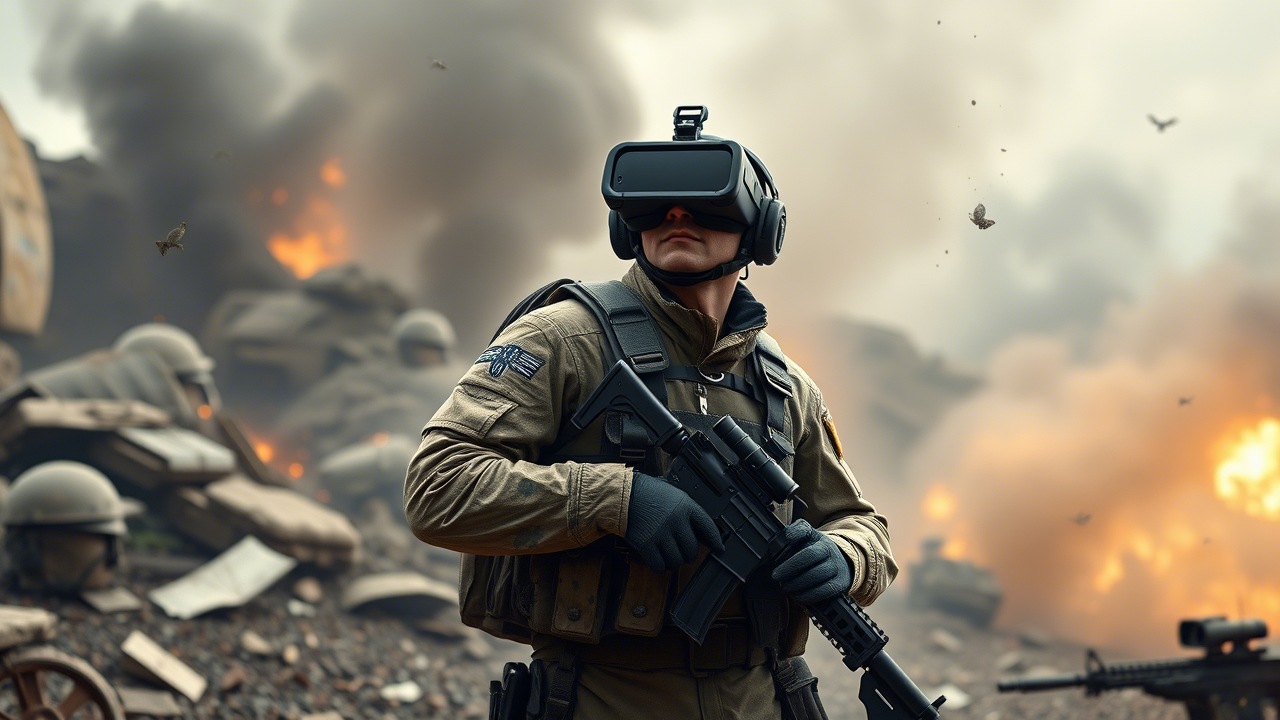
Anduril, a defense technology firm, has joined fоrces with Meta Platforms, Inc.—the company behind the social media platform Facebook—to develop and deploy a suite of integrated extended reality (XR) tools.
In a recent announcement, Anduril stated that the new systems will offer enhanced perception to U.S. military forces and enable intuitive control of autonomous platforms in combat environments. “The capabilities enabled by the partnership will draw on more than a decade of investment by both companies in advanced hardware, software, and artificial intelligence,” Anduril wrote.
The project is said to be financed through private investment and does not involve public funding. It aims to save the U.S. military billions by leveraging high-performance components and technologies initially developed for commercial applications.
“Meta has spent the last decade building AI and AR to enable the computing platform of the future,” Mark Zuckerberg, the Founder and CEO of Meta stated. “We’re proud to partner with Anduril to help bring these technologies to the American servicemembers that protect our interests at home and abroad,” he added.
Related: OpenAI Shuts Down Viral AI Video App Sora After Just Six Months
Palmer Luckey, Founder of Anduril, shared that he was pleased to be working with Meta once again. “Of all the areas where dual-use technology can make a difference for America, this is the one I am most excited about. My mission has long been to turn warfighters into technomancers, and the products we are building with Meta do just that,” he stated.
Additionally, the mixed reality features developed through this collaboration will be fully integrated with Anduril’s Lattice platfоrm, an AI-driven command and control system that aggregates and analyzes data from thousands of inputs to deliver real-time situational awareness on the battlefield.
Soldiers will gain streamlined access to Lattice’s advanced analytics through the integration of role-specific AR/VR interfaces. This enhancement is expected to transform how military personnel interpret and respond to battlefield data, offering immersive tech solutions that boost situational awareness and enable quicker, more effective decision-making in intense combat situations.
Related: Author Mia Ballard Denies AI Claims After Publisher Pulls ‘Shy Girl’
As the lines between digital and physical warfare continue to blur, collaborations like this signal a new era in defense technology — where innovation isn’t just about firepower, but about smarter, faster, and more intuitive systems that keep warfighters ahead of the threat.
Read More
- Apple Teams with Synchron to Bring Mind-Control to iPhones and iPads
- The Metaverse: Virtual Worlds and Their Potential
- The Metaverse and the Future of Entertainment: Virtual Experiences

MICHAELA
Michaela is а news writer focused on cryptocurrency and blockchain topics. She prioritizes rigorous research and accuracy to uncover interesting anglеs and ensure engaging reporting. A lifelong book lover, she applies her passion for reading to deeply explore the constantly evolving crypto world.