 Michaela
In a move that follows President Donald Trump’s return to the White House, the U.S. Securities and Exchange Commission (SEC) has created a new crypto task force. This team will focus on establishing a regulatory framework for digital assets.
On January 21, the SEC, under the leadership of acting Chair Mark Uyeda, introduced a new task force aimed at responding to the longstanding demands of the digital assets industry.
Commissioner Hester Peirce, known as “Crypto Mom” for her pro-crypto stance on regulations, has been appointed to lead the task force.
“The Task Force’s focus will be to help the Commission draw clear regulatory lines, provide realistic paths to registration, craft sensible disclosure frameworks, and deploy enforcement resources judiciously,” the SEC stated in the filing.
Related: Trump Blasts Banks as GENIUS Act Stalls in Senate Over Yield Dispute
According to the filing, the task force will collaborate with federal agencies, including the Commodity Futures Trading Commission (CFTC), led by Acting Chairman Caroline Pham, as well as with state and international regulators.
The SEC has predominantly used enforcement actions to regulate the crypto space. During the tenure of chairs Gary Gensler and Jay Clayton, the agency brought multiple actions against crypto firms, with some accusing them of offering unregistered securities.
The crypto task force will bring together experts from various parts of the SEC, including senior advisors to Uyeda, Richard Gabbert and Taylor Asher, to collaborate with both agency staff and the public. Their goal is to develop a regulatory approach that balances practicality with legal compliance.
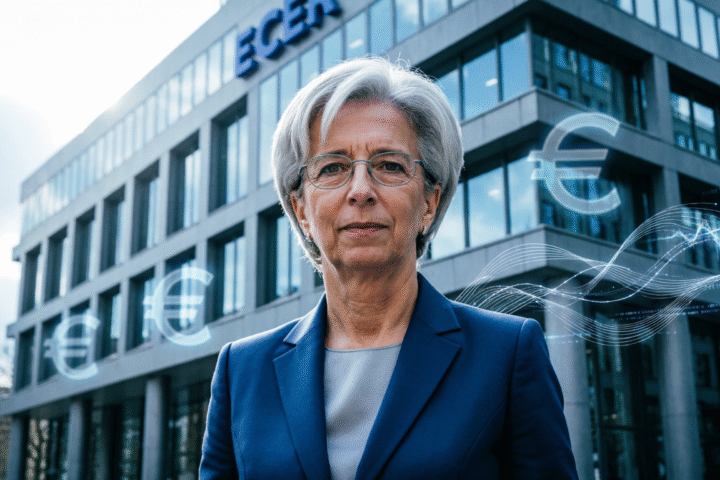
Related: Lagarde Exit Talk Sparks Uncertainty Over ECB Digital Euro Future
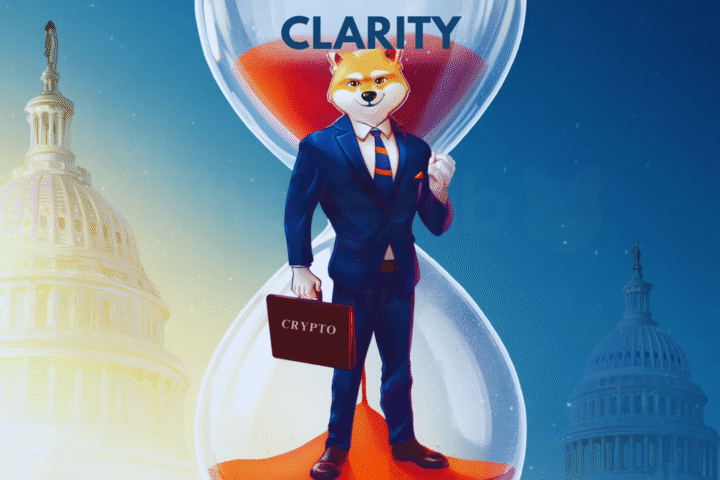
“Clarity regarding who must register, and practical solutions for those seeking to register, have been elusive,” the SEC stated. “The result has been confusion about what is legal, which creates an environment hostile to innovation and conducive to fraud. The SEC can do better.”
The filing shares that the group intends to organize roundtable discussions in the future to gather industry perspectives on regulatory challenges.
Moreover, the task force will function within the legislative framework established by Congress, offering technical assistance as lawmakers work on potential updates.
Read More
- SEC Sues Helium Developer Nova Labs Over False Partnership Claims
- Analyst: Solana ETFs Unlikely Until 2026 Amid SEC Delays
- SEC Case Against Elon Musk Called Weak and Political by Expert

MICHAELA
Michaela is a news writer focused on cryptocurrency and blockchain topics. She prioritizes rigorous research and accuracy to uncover interesting angles and ensure engaging reporting. A lifelong book lover, she applies her passion for reading to deeply explore the constantly evolving crypto world.